Age guide
9 months baby foods: safe first-food guide
Use this 9 months hub as a starting point, then open each food page for texture, shape, choking-risk, and allergen notes.
Each linked guide keeps warnings and source references visible.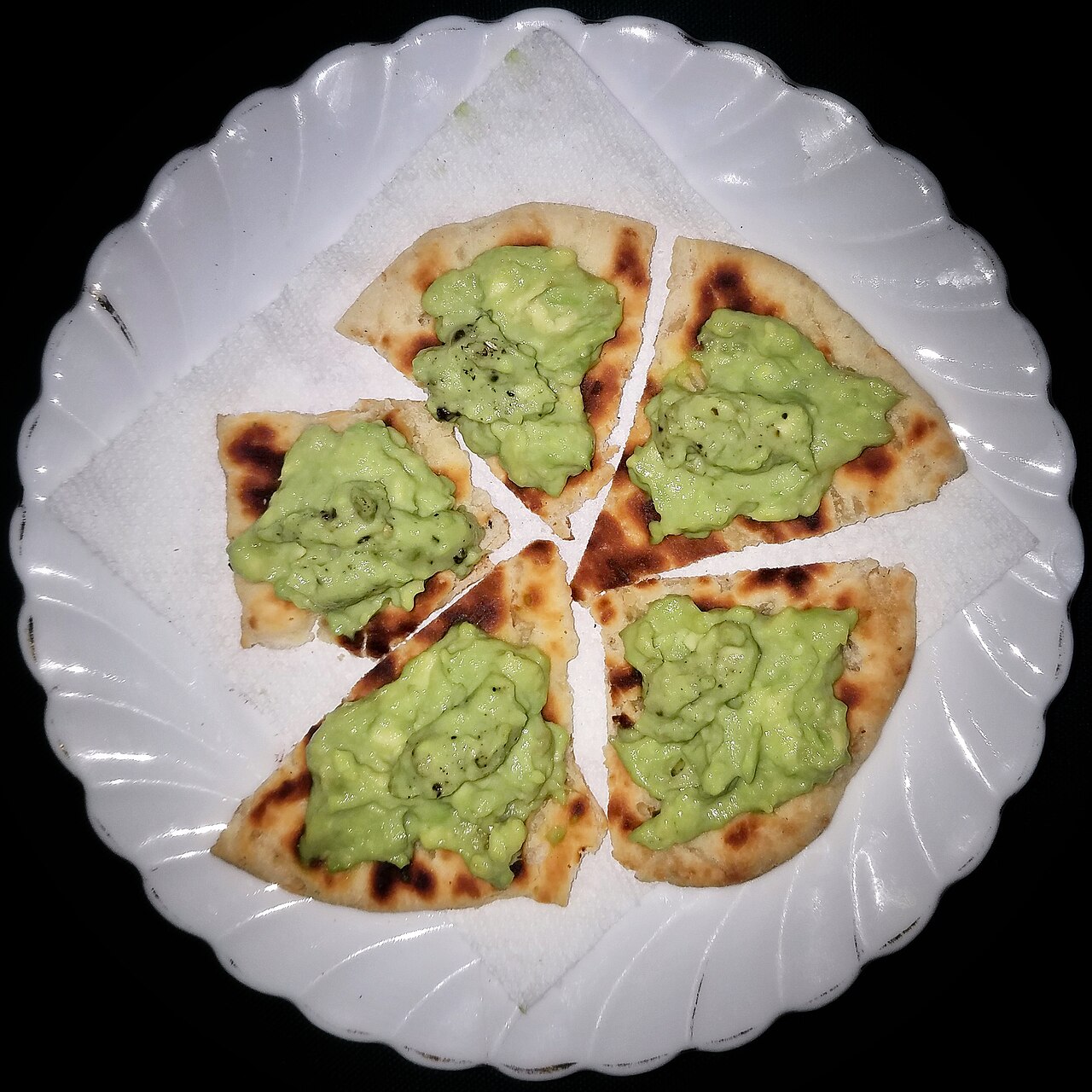 Suitable with prep
First foods
AvocadoUsually suitable from about 6 months when baby is developmentally ready.
 Suitable with prep
First foods
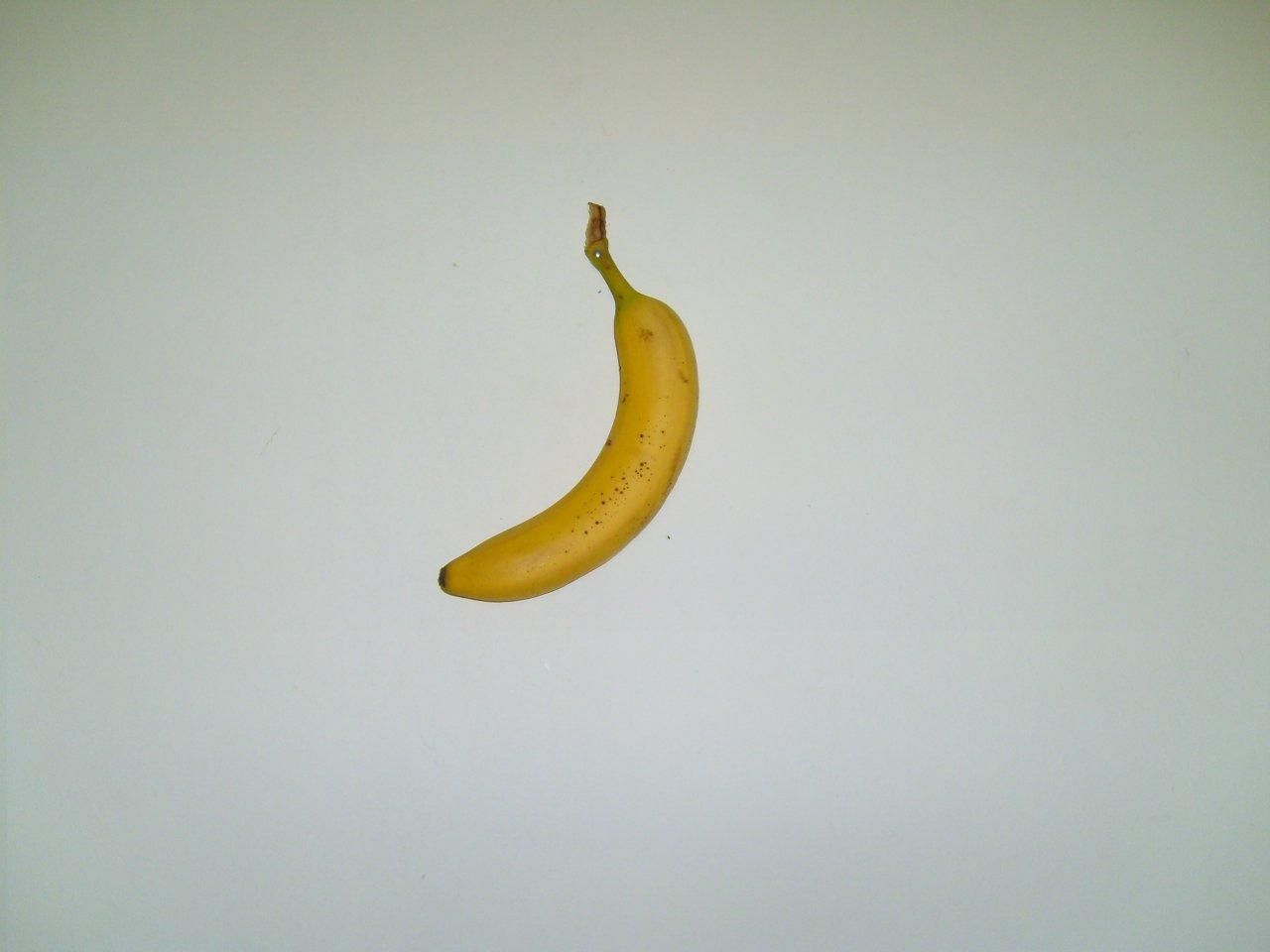
BananaOften suitable from about 6 months when soft, ripe, and served in an age-aware shape.
 Use caution
Allergen
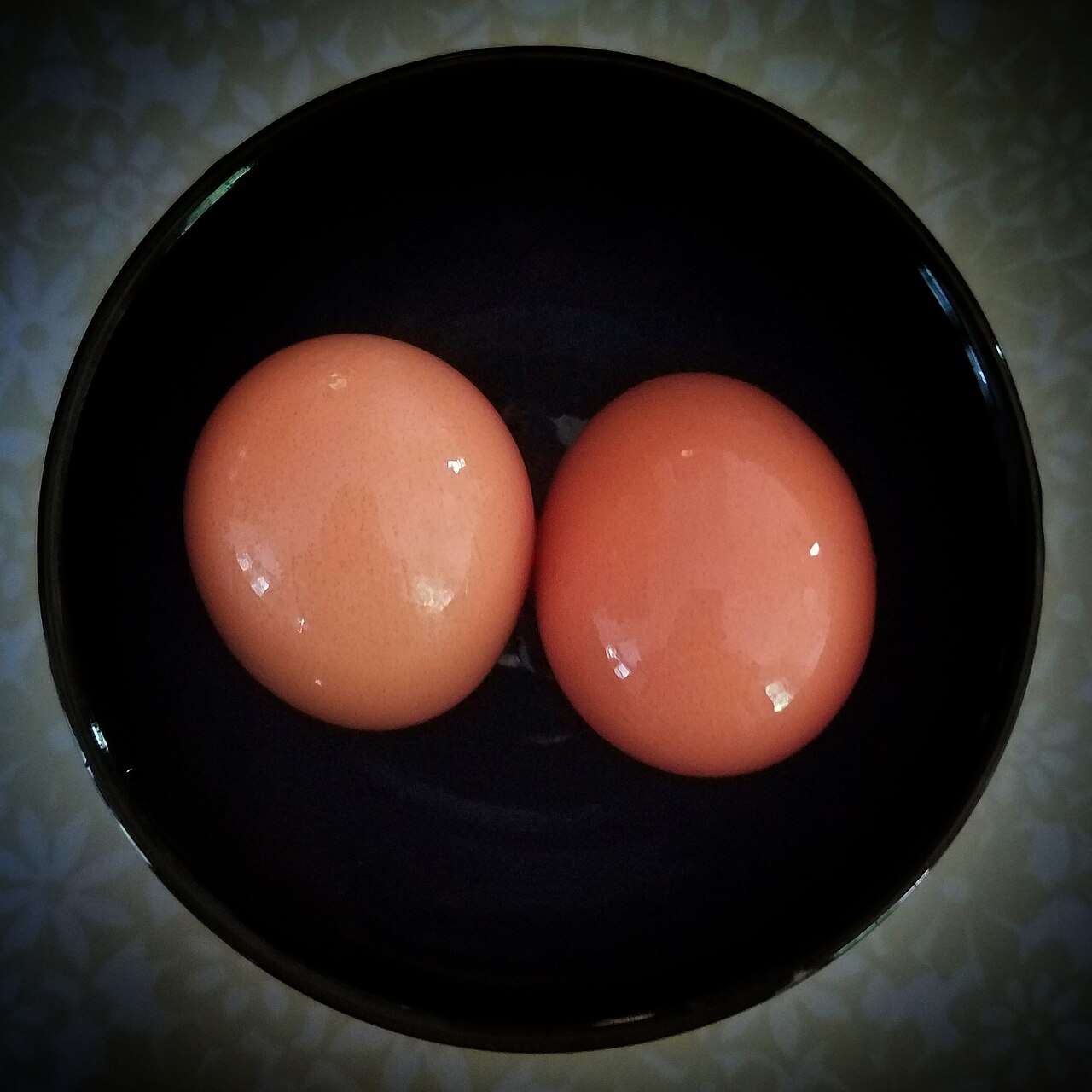
EggCan be introduced around 6 months for many babies, fully cooked and in small amounts.
 Use caution
Allergen
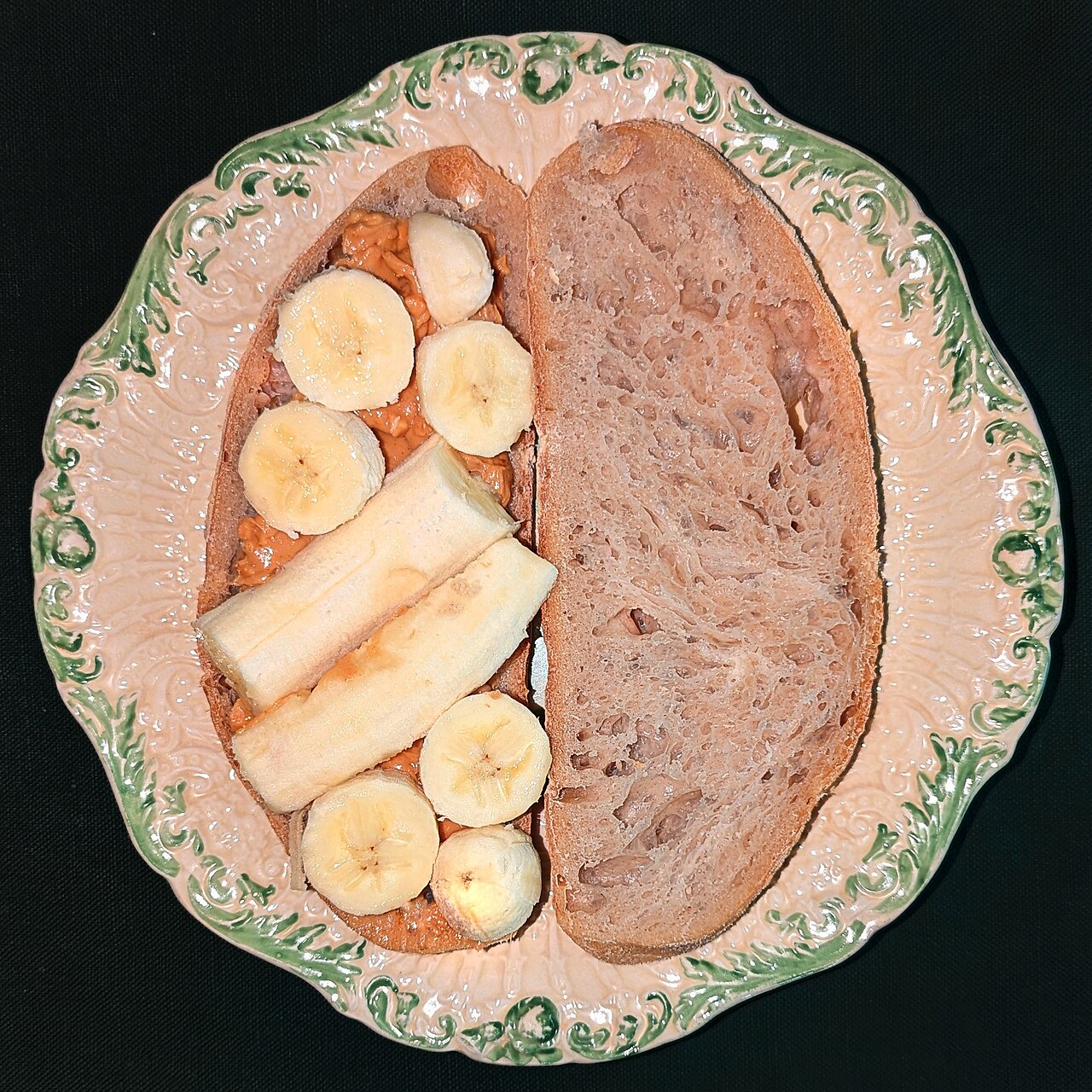
Peanut ButterMany babies can try peanut after solids start, but never as a thick sticky spoonful.
 Use caution
Dairy
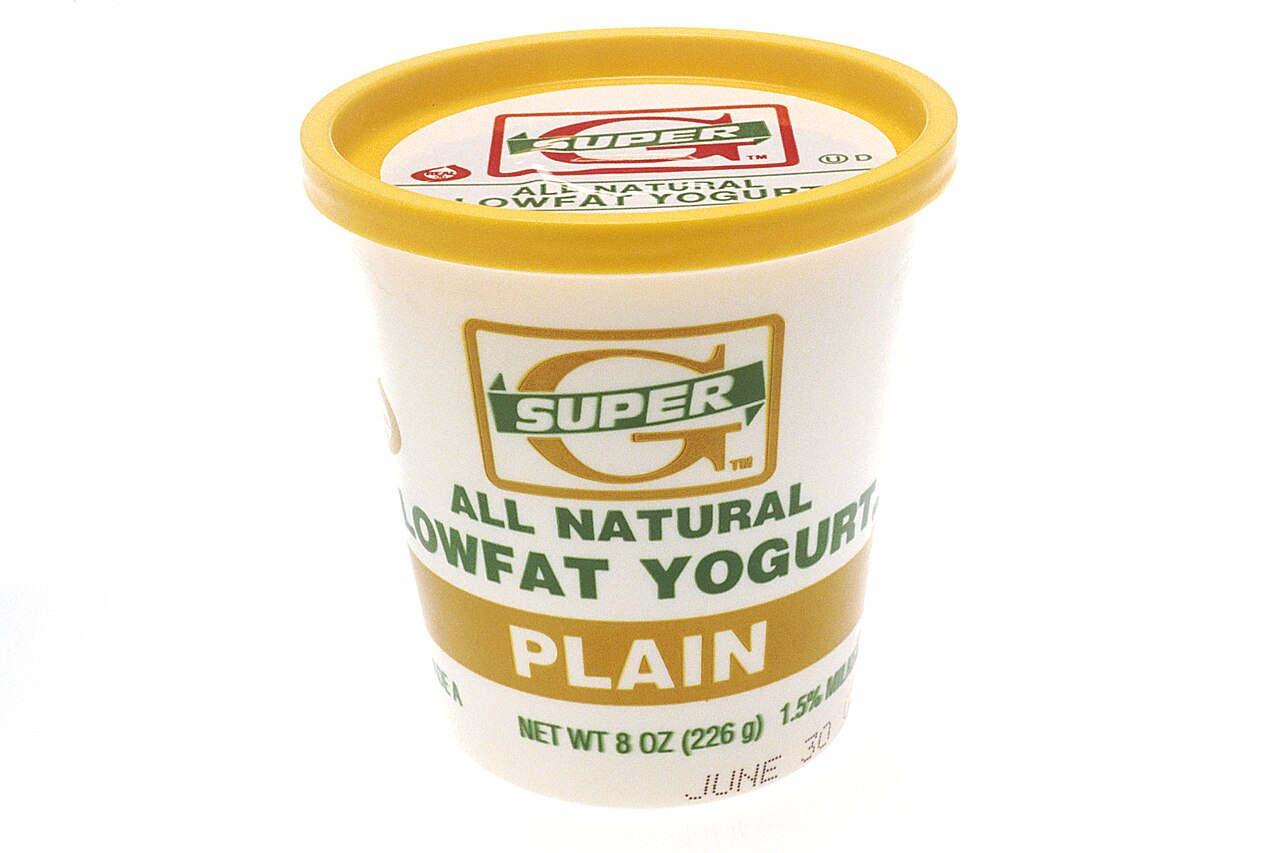
YogurtPlain pasteurized yogurt can fit after solids start, but avoid added sugar and watch dairy allergy context.
 Suitable with prep
Grain
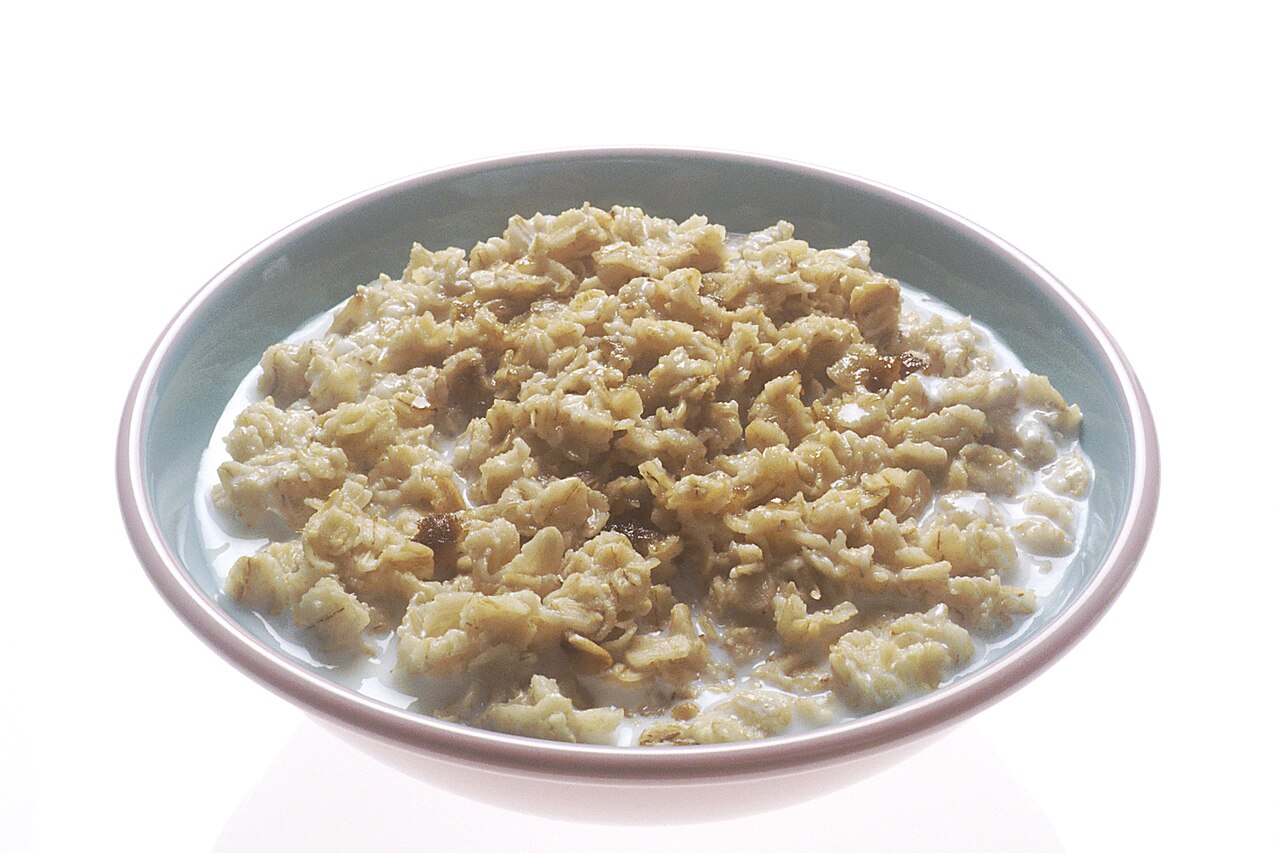
OatmealOften suitable from about 6 months when cooked soft and adjusted to baby's texture stage.
 Use caution
Fruit
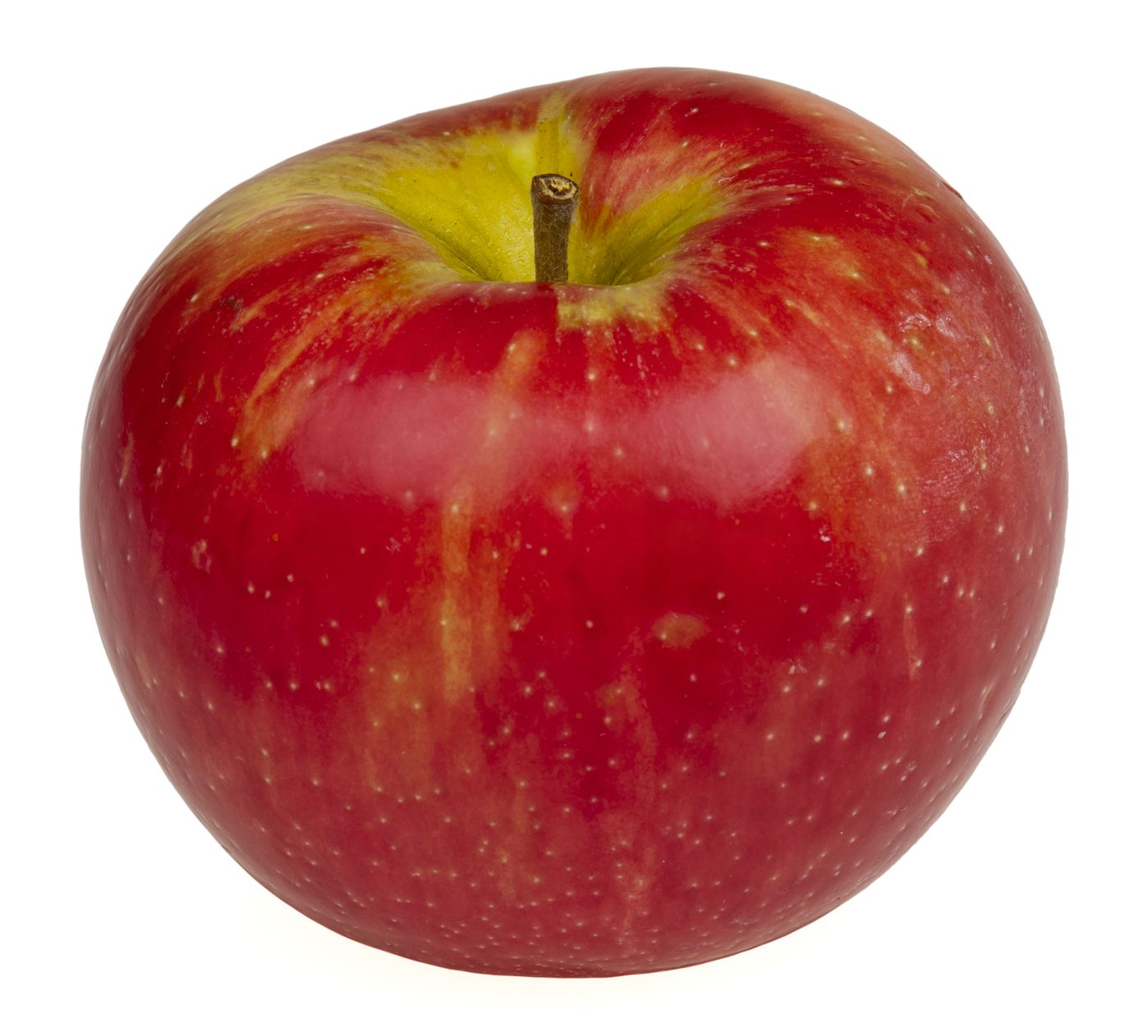
AppleApple needs texture adjustment for babies; raw hard chunks are not an early serving shape.
 Use caution
Choking risk
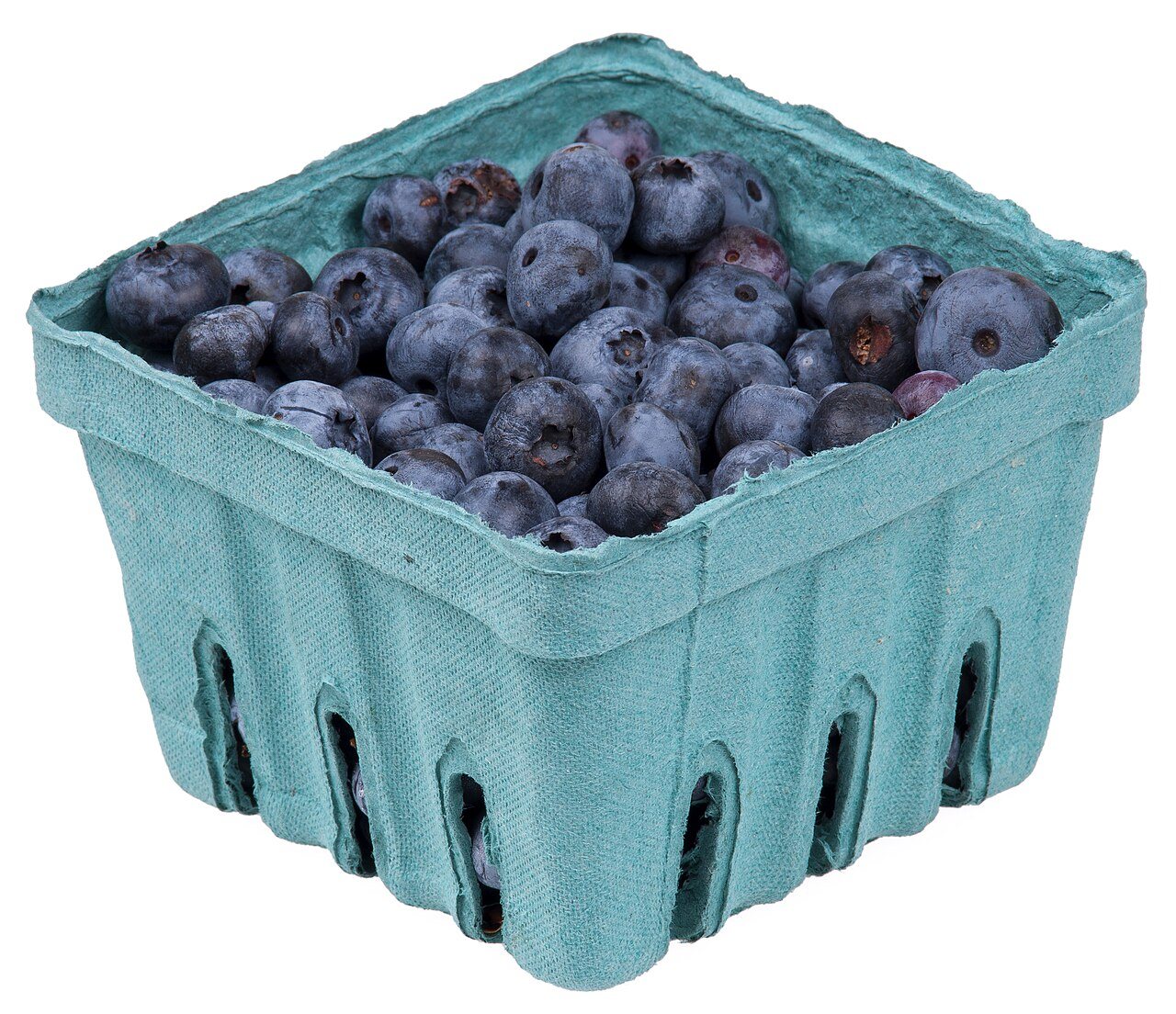
BlueberriesBlueberries need shape changes for babies because whole berries are small, round, and slippery.
 Suitable with prep
First foods
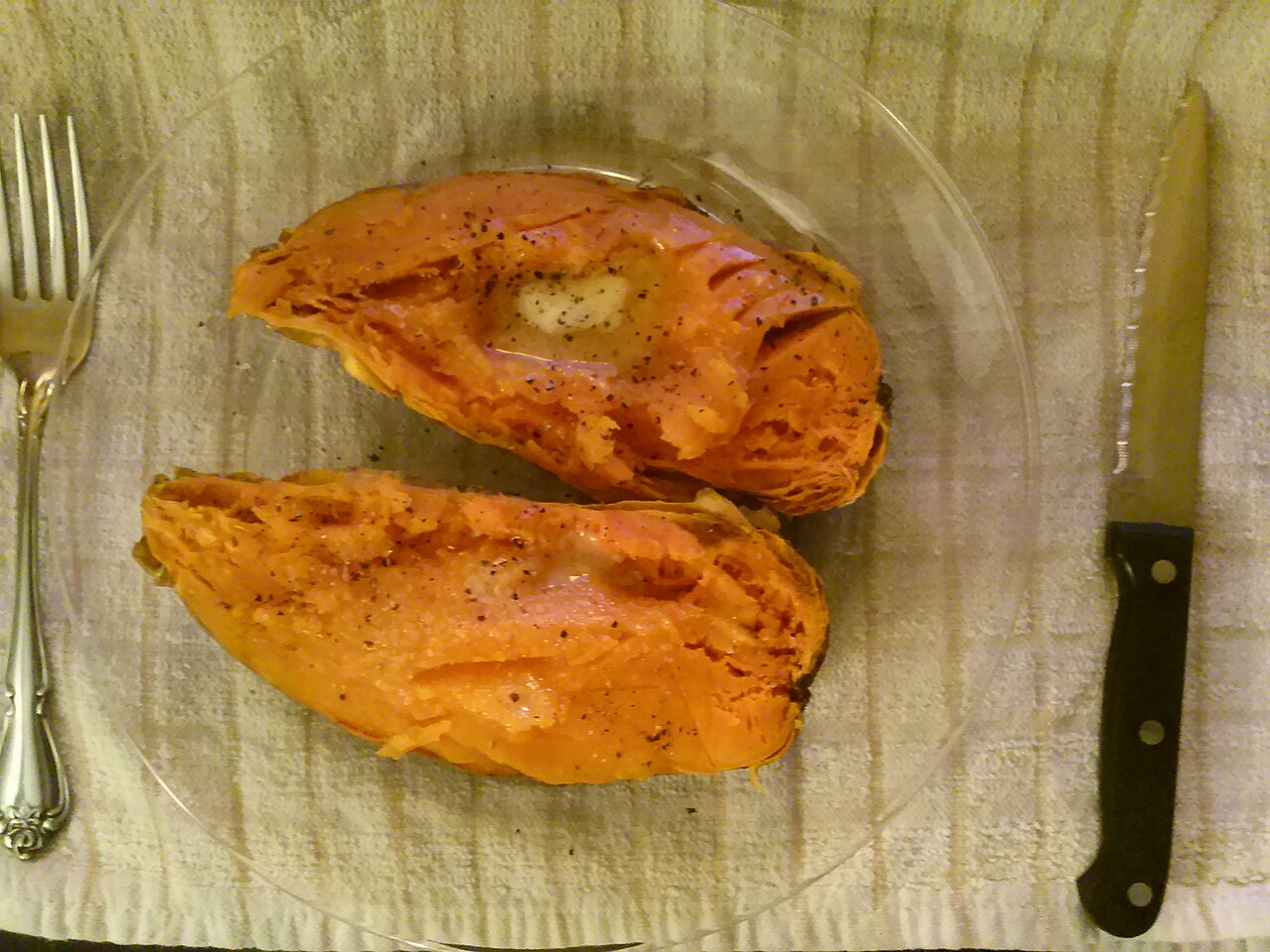
Sweet PotatoUsually suitable from about 6 months when fully cooked until soft.
 Use caution
Protein
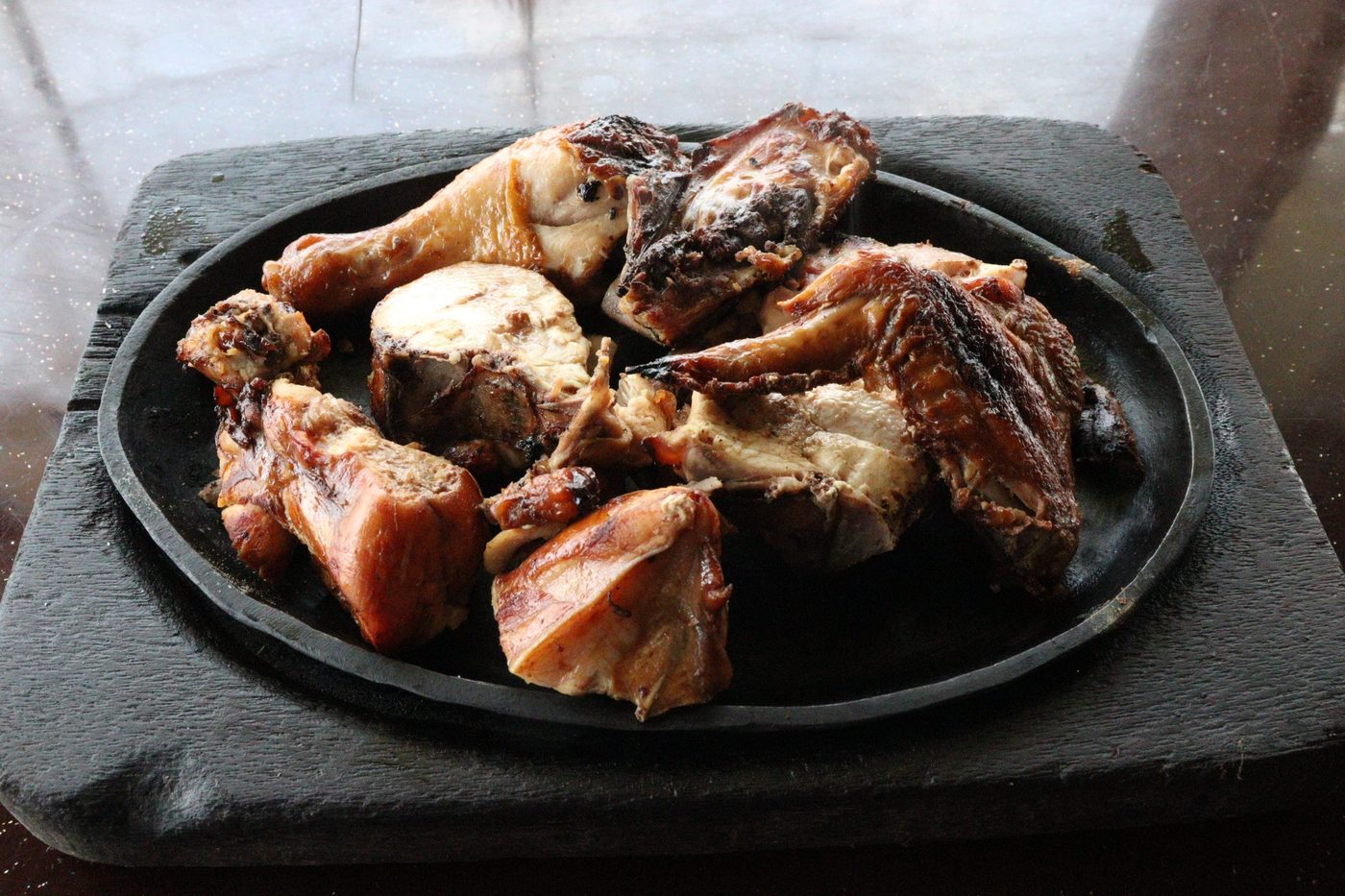
ChickenChicken can be offered after solids start when fully cooked, moist, tender, and free of bones.
 Use caution
Fish
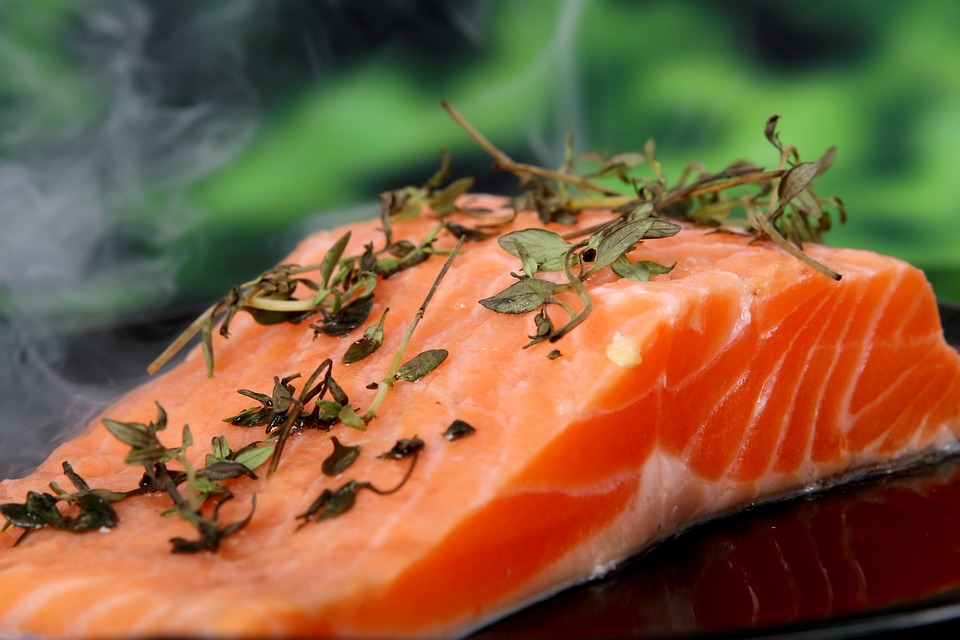
SalmonCan be offered after solids start when fully cooked, low-mercury, and carefully checked for bones.
 Suitable with prep
Iron-rich protein
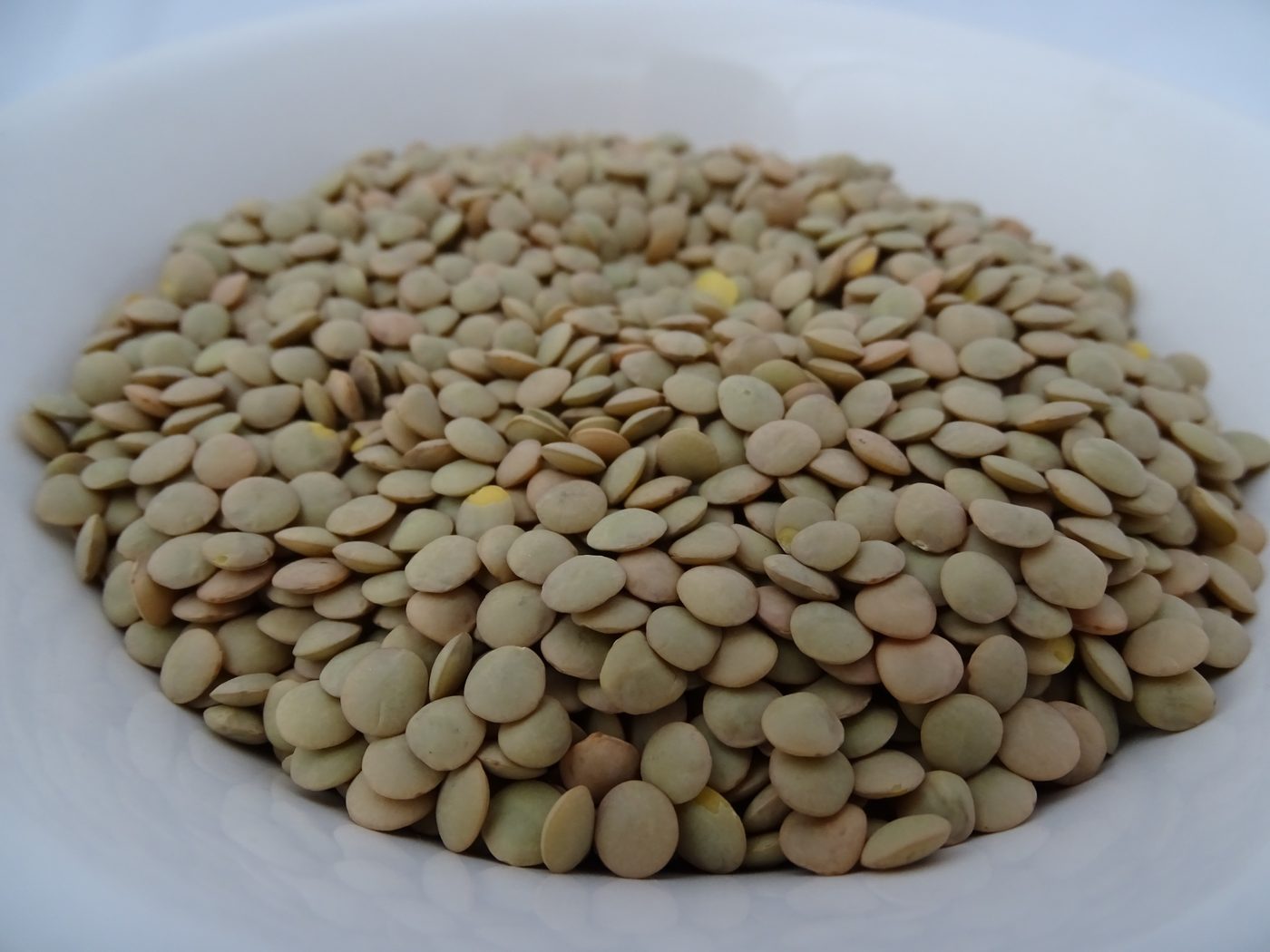
LentilsCooked lentils can fit after solids start when they are very soft and served with enough moisture.
 Use caution
Allergen
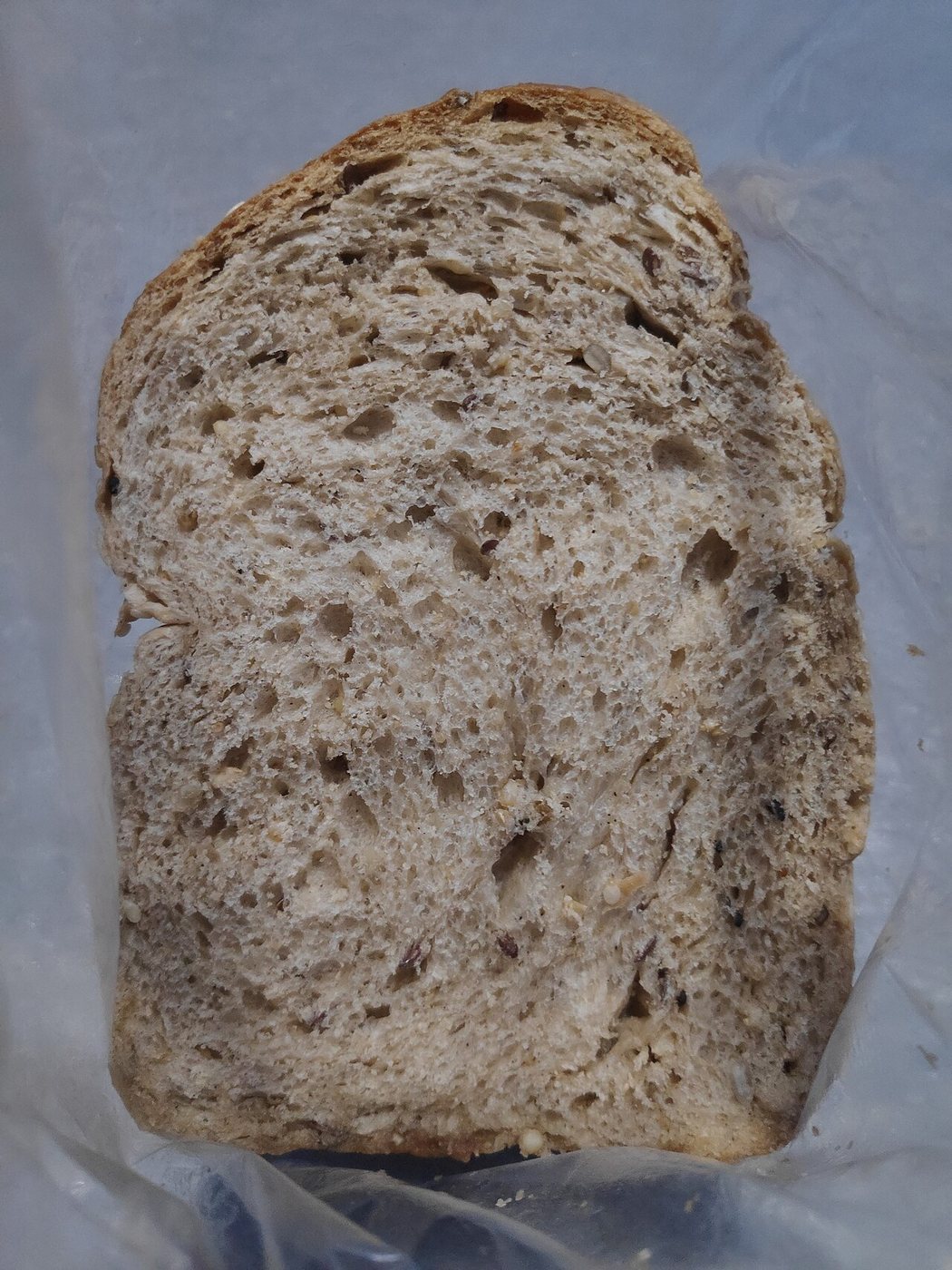
BreadBread can fit after solids start, but wheat, salt, texture, and gumminess need attention.
 Use caution
Choking risk
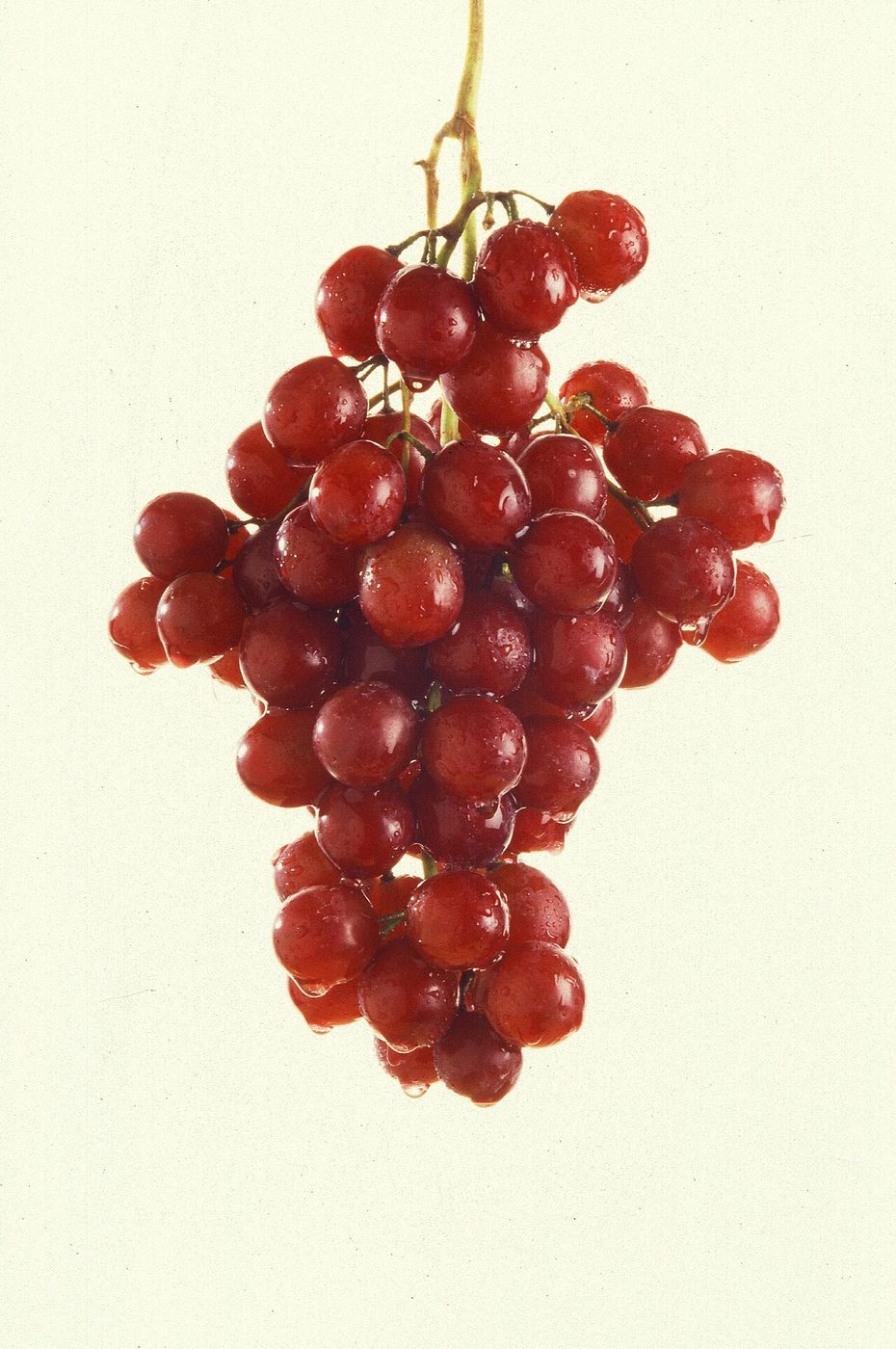
GrapesStill never serve whole. Quarter lengthwise and supervise closely.
 Avoid for now
Avoid
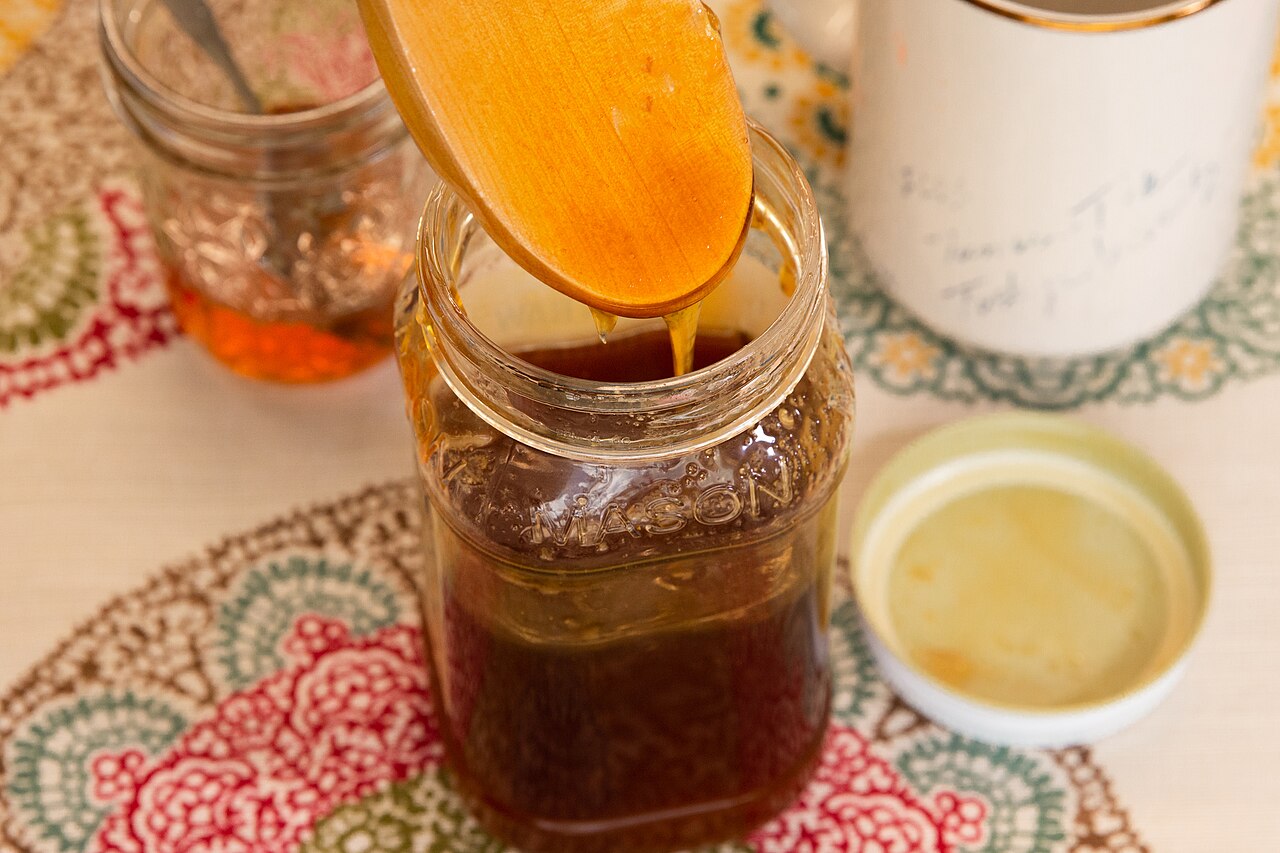
HoneyAvoid honey before 12 months because of infant botulism risk.
 Avoid for now
Choking risk
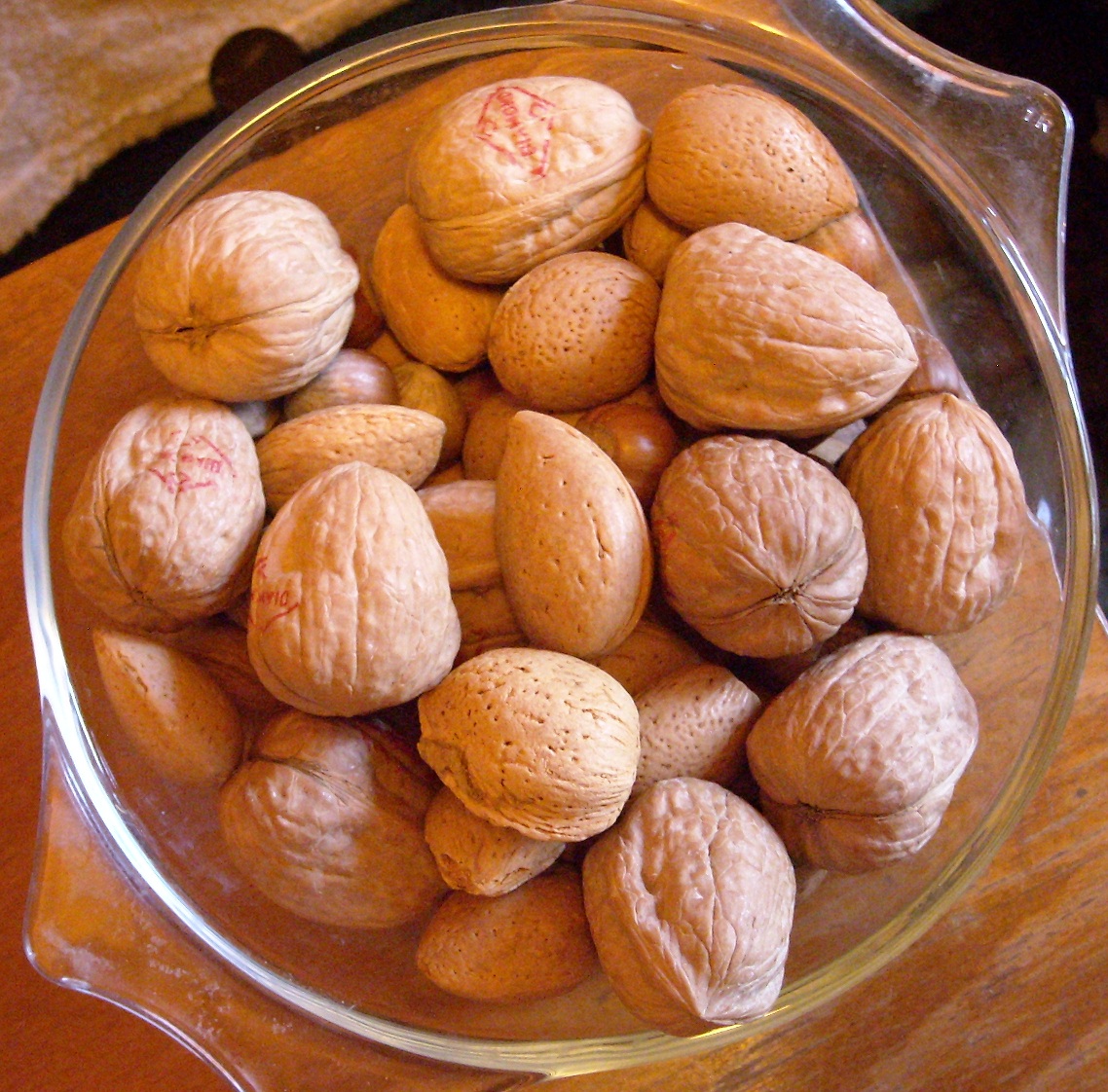
Whole NutsAvoid whole nuts for babies and young children because they are hard, small choking hazards.
 Avoid for now
Choking risk
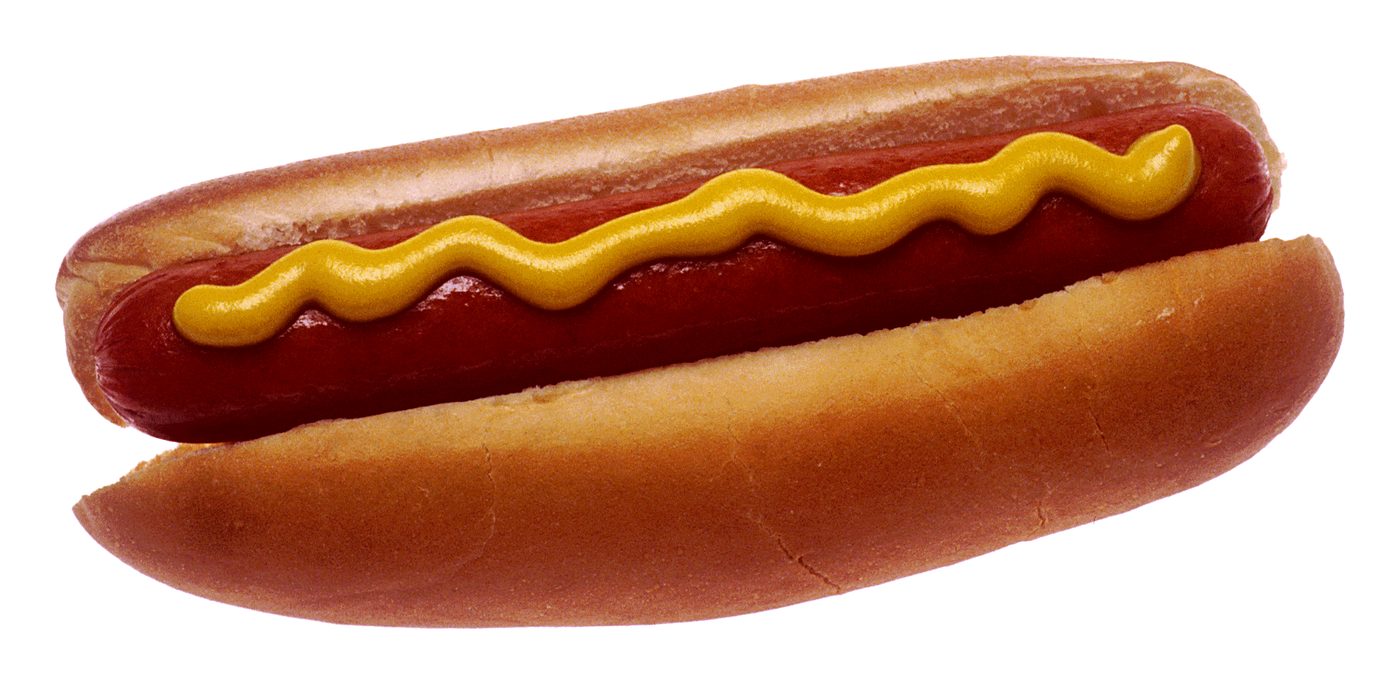
Hot DogsHot dogs are a high-risk choking shape for babies and young children and are not a good first food.
 Avoid for now
Choking risk
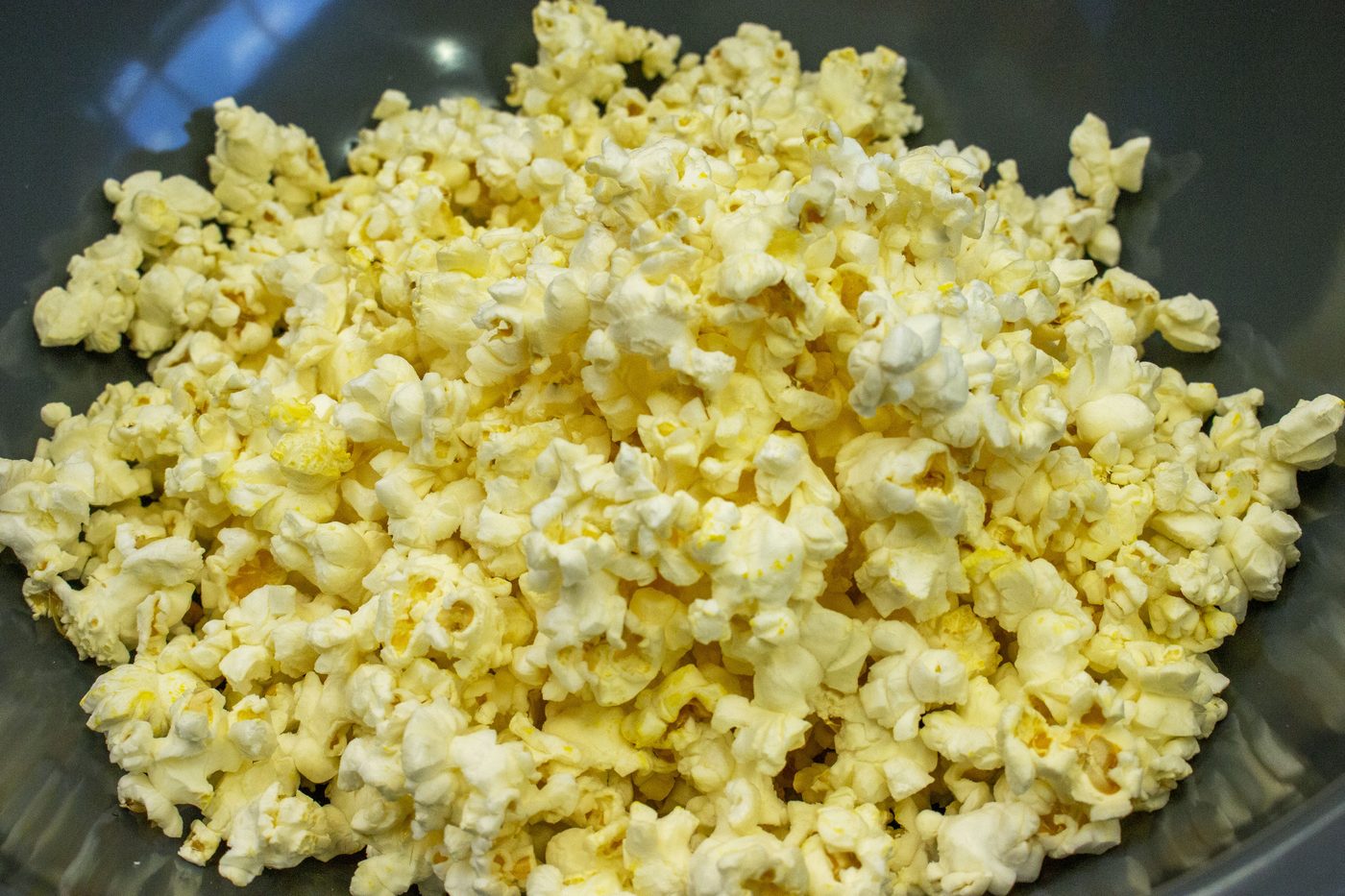
PopcornPopcorn is a choking hazard for babies and young children and should not be used as a first food.
 Avoid for now
Avoid as drink
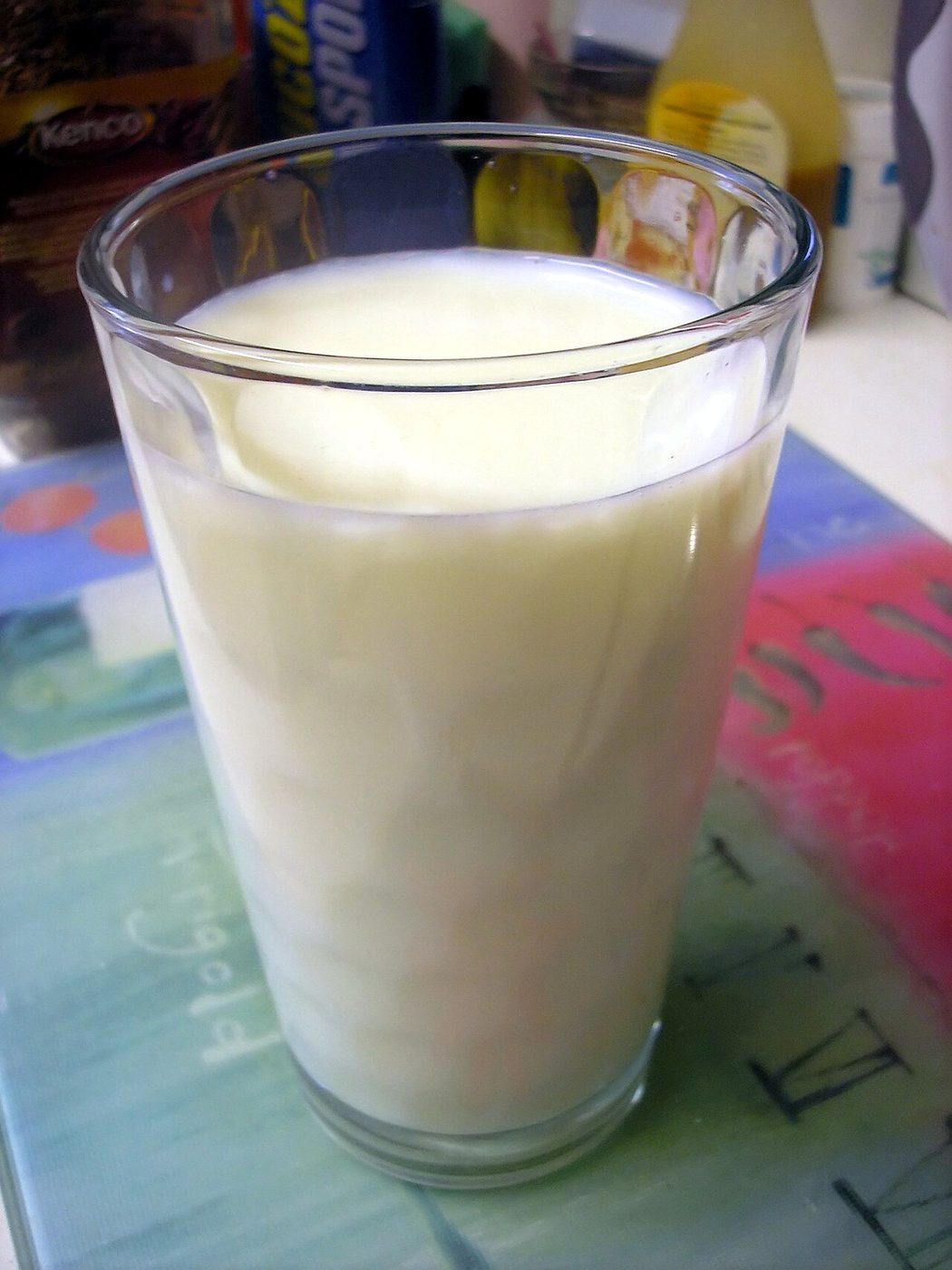
Cow's MilkAvoid cow's milk as a main drink before 12 months unless a clinician gives individual guidance.
 Avoid for now
Avoid as drink
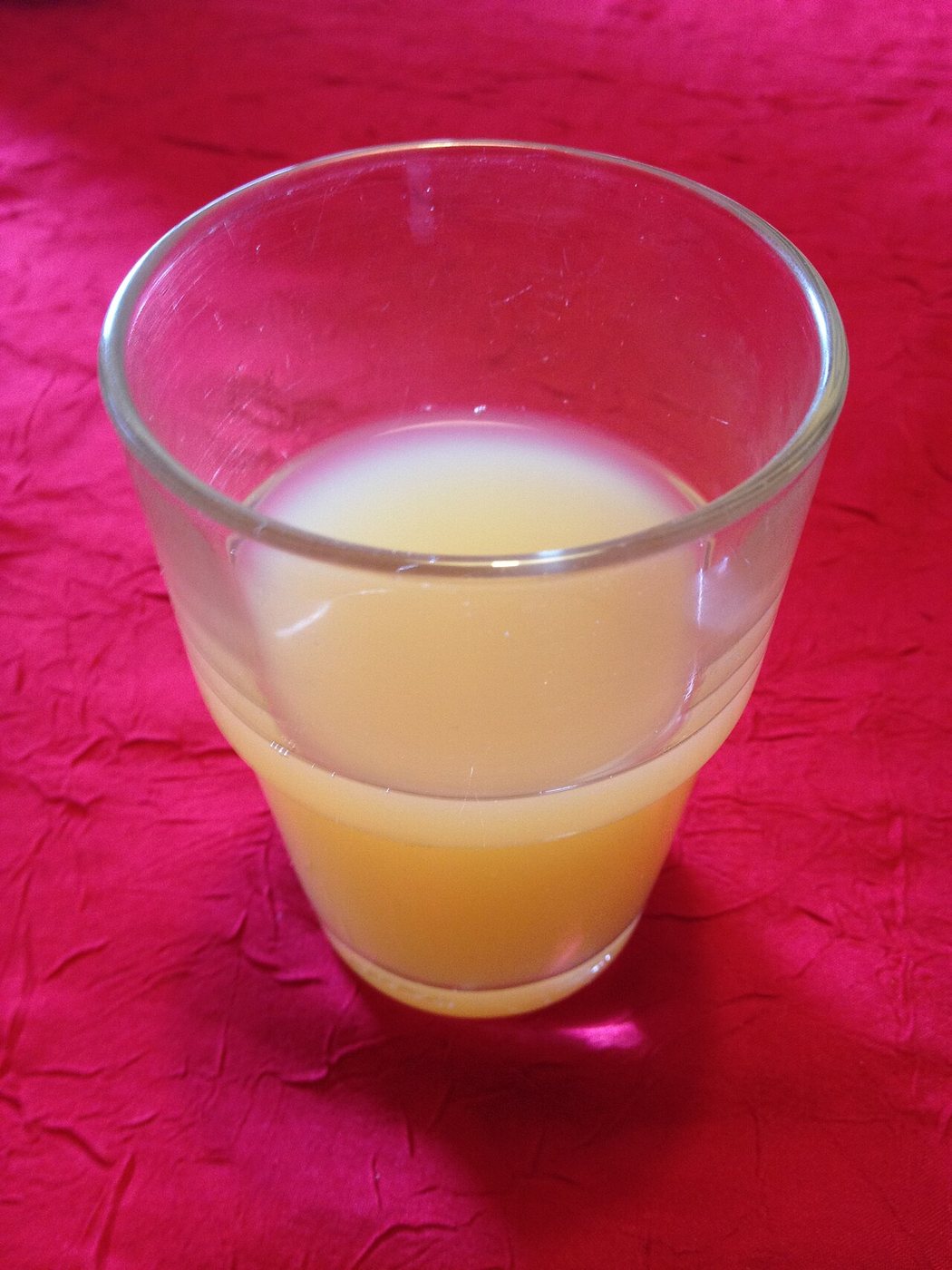
JuiceAvoid juice before 12 months unless a pediatric clinician gives a specific reason.
Sources reviewed
- CDC: When, What, and How to Introduce Solid Foods Retrieved 2026-06-17
- CDC: Choking Hazards Retrieved 2026-06-17
- CDC: Foods and Drinks to Avoid or Limit Retrieved 2026-06-17
- HealthyChildren.org / AAP: Sample Menu for a Baby 8 to 12 Months Old Retrieved 2026-06-17