Meal plans
Baby meal plans by month
Use these baby meal plans as flexible idea boards from 6 to 11 months, then adjust for readiness, texture skill, choking risk, allergen context, and family routines.
They are planning guides, not required schedules or personalized medical plans.Start with the closest age page, then step softer or simpler if baby is still learning that texture.
Open food pages for serving shape, choking notes, allergen context, and safer alternatives.
Use small portions, label clean batches, and discard bowl leftovers after baby's spoon or mouth touches them.
Age progression shortcuts
Tiny tastes, readiness signs, smooth or mashed textures, and simple repeat foods.
Soft texture practice, moist proteins, family-food adaptations, and calm allergen observation.
Pincer practice, soft mixed meals, and first-birthday safety reviews without dropping supervision.
Safety shortcuts
Direct answers and warnings stay before public advertising on meal and safety pages.
Use the storage checklist when batch-prepping meal plan foods.
How to replace a food in a meal plan
Swap within a similar texture and risk level first: soft fruit for soft fruit, cooked vegetable for cooked vegetable, moist protein for moist protein, or a familiar grain for another familiar grain.
Use the texture guideOpen the ingredient page before serving
Ingredient pages carry the verdict, shape, choking note, allergen context, safer alternative, and sources reviewed, so use them before treating a plan as ready to serve.
Browse the food librarySeparate the clean batch from the bowl
Meal planning works better when clean portions are labeled and stored separately from food that has touched baby's spoon or mouth.
Read leftover rules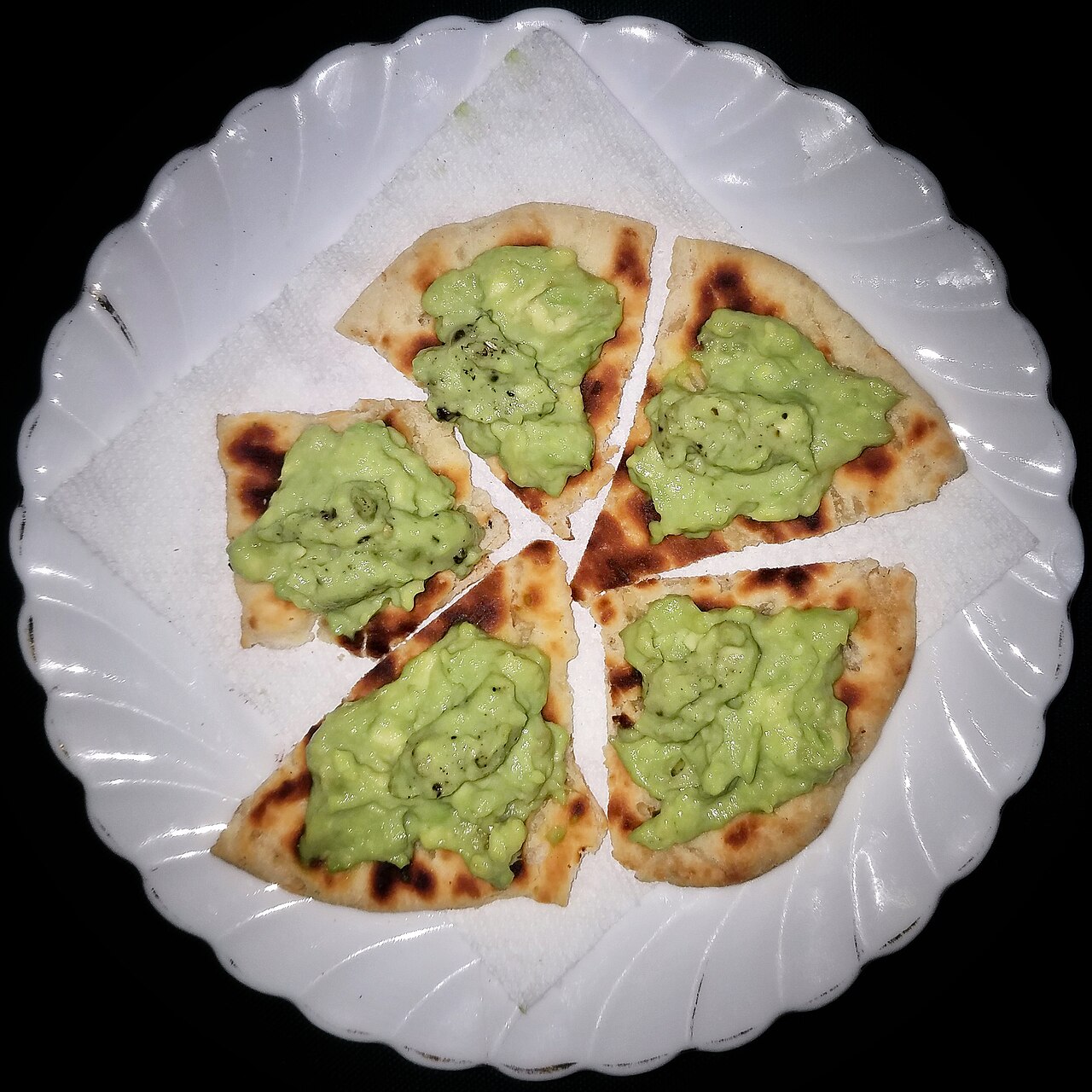 First week
6-month meal plan
6-month baby meal planAt about 6 months, start with tiny tastes when baby shows readiness signs. Use this plan as an idea board, not a fixed feeding schedule or medical plan.
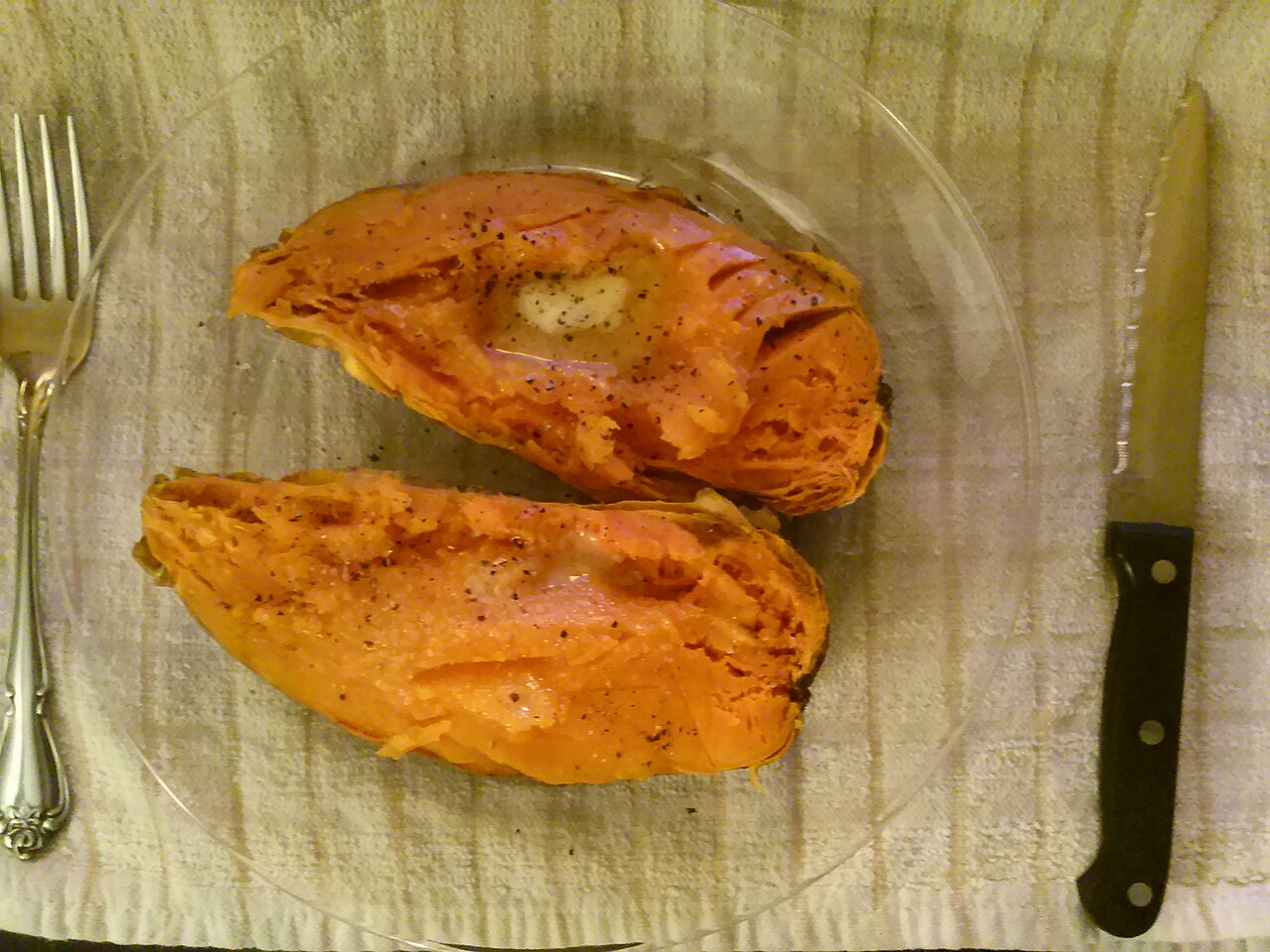 Texture practice
7-month meal plan
7-month baby meal planAt 7 months, many babies are still learning how solids feel. Use this plan to rotate soft familiar foods, repeat new textures, and keep serving shapes simple.
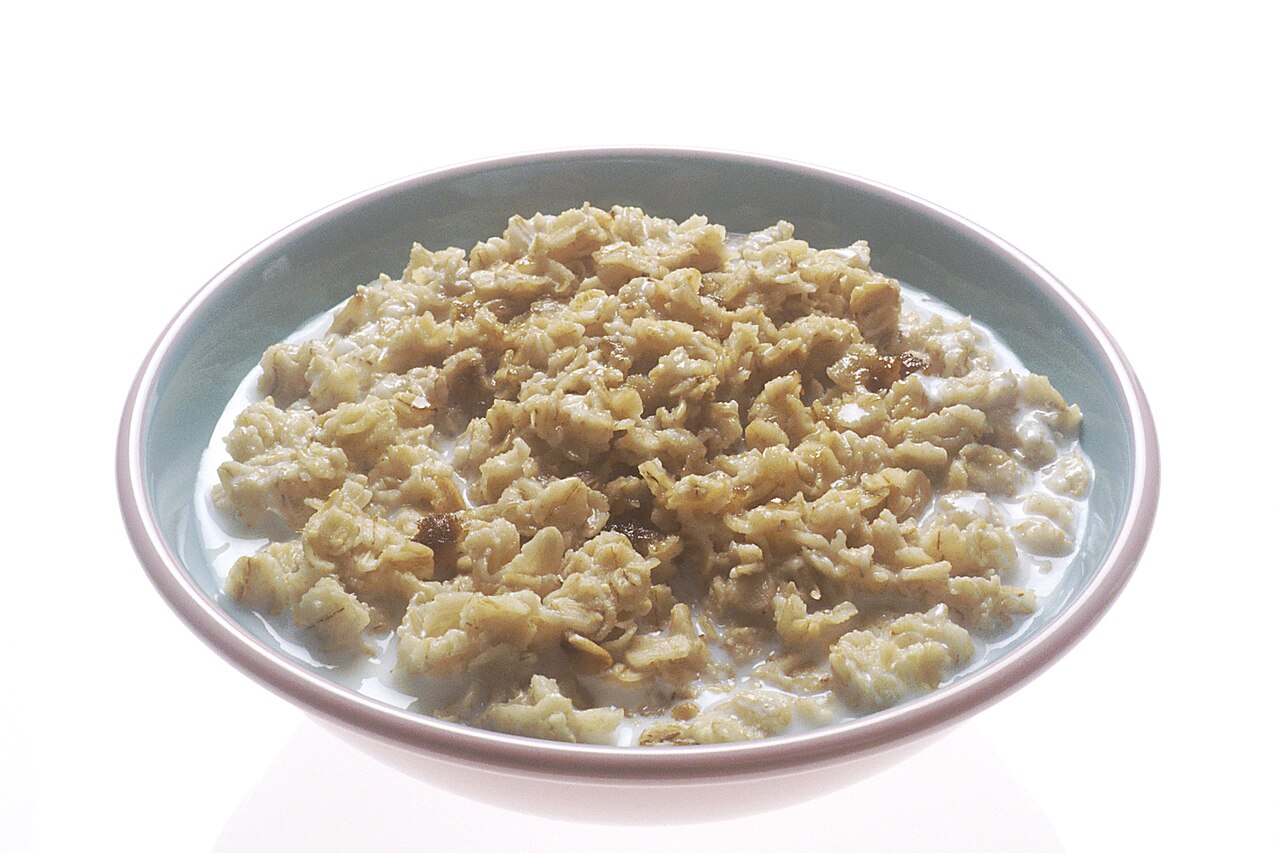 Soft family foods
8-month meal plan
8-month baby meal planAt 8 months, many babies can practice more soft textures. Plan simple meals around soft grains, cooked vegetables, moist proteins, and fruit that is ripe or cooked.
 Pincer practice
9-month meal plan
9-month baby meal planAt 9 months, many babies begin practicing smaller soft pieces, but the food still needs to mash easily and risky shapes still need changing.
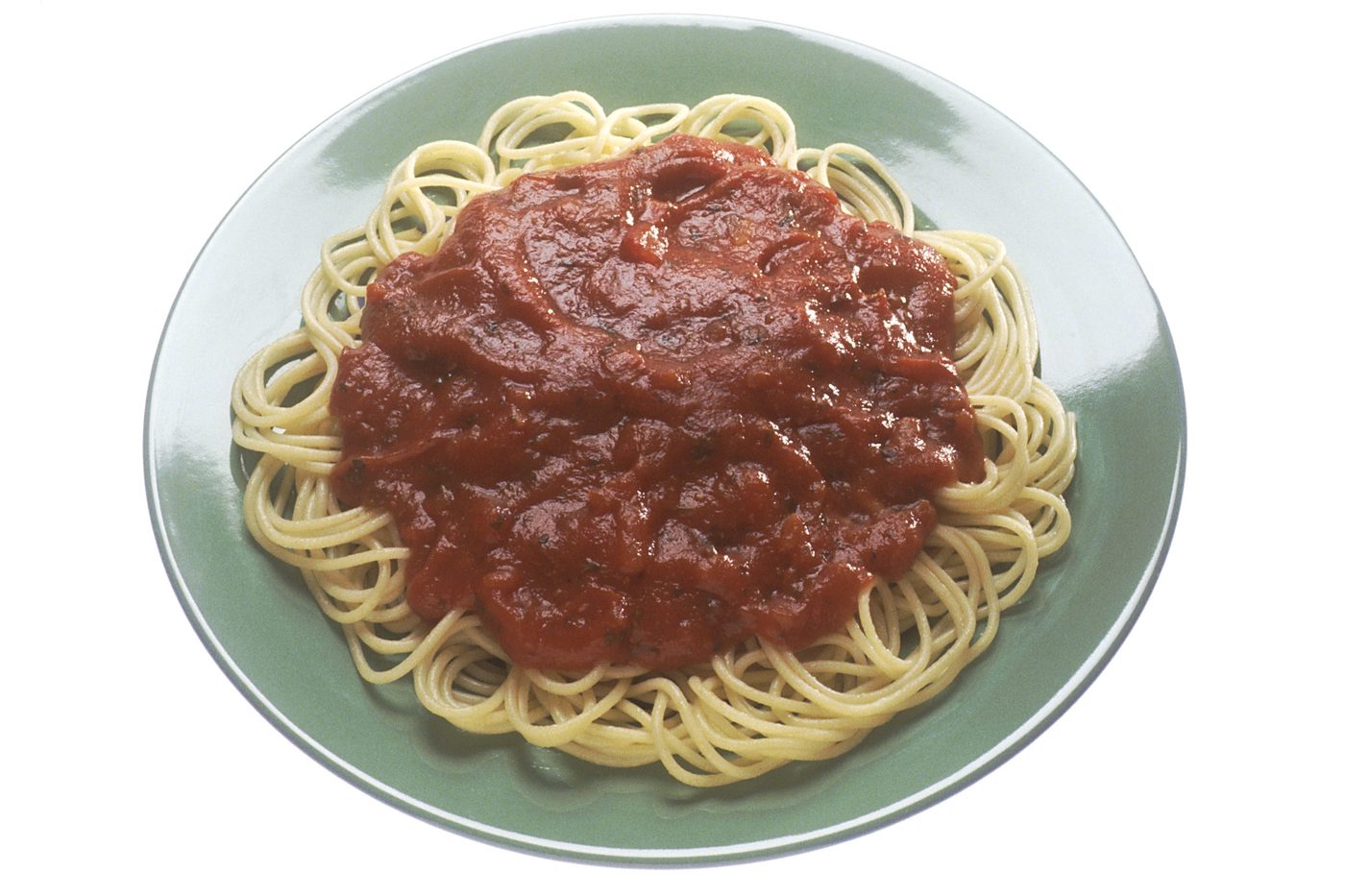 Mixed meals
10-month meal plan
10-month baby meal planAt 10 months, many babies can practice soft mixed meals. Keep pieces tender, moist, and easy to mash, and remove risky shapes before serving.
 Pre-birthday transition
11-month meal plan
11-month baby meal planAt 11 months, many babies are close to family meals, but honey, choking hazards, cow's milk as a drink, and individual readiness still need careful boundaries.
Sources reviewed
- CDC: When, What, and How to Introduce Solid Foods Retrieved 2026-06-17
- CDC: Foods and Drinks to Avoid or Limit Retrieved 2026-06-17
- CDC: Choking Hazards Retrieved 2026-06-17
- HealthyChildren.org / AAP: Sample Menu for a Baby 8 to 12 Months Old Retrieved 2026-06-17
- FoodSafety.gov: 4 Steps to Food Safety Retrieved 2026-06-17
- FDA: Once Baby Arrives: Food Safety for Moms-to-Be Retrieved 2026-06-17
- WIC Works / USDA: Infant Feeding: Tips for Food Safety Retrieved 2026-06-17