Allergen hub
Baby food allergen introduction guide
Common allergen foods need a calm, cautious approach. Use these pages for general education and ask a clinician for severe eczema, known allergy, or previous reaction.
Each linked guide keeps warnings and source references visible.Readiness and higher-risk context
Start only when baby is ready for solids, then pause for clinician guidance when severe eczema, known allergy, egg allergy, previous reaction, or other medical context is present.
Open the allergen introduction flowTexture still comes before the ingredient
Allergen foods still need baby-appropriate texture and choking-risk changes: thin sticky spreads, cook egg fully, moisten fish, and avoid whole nuts or dry chunks.
Check safe serving shapesTrack the food, form, and questions
Use calm first servings and write down the food, preparation form, date, amount, and concerns you want to discuss with a pediatric clinician.
Report site corrections Allergen
Use caution
EggEgg is a common allergen. Introduce when baby is well, and ask a clinician if baby has severe eczema or known allergy.
 Allergen
Use caution
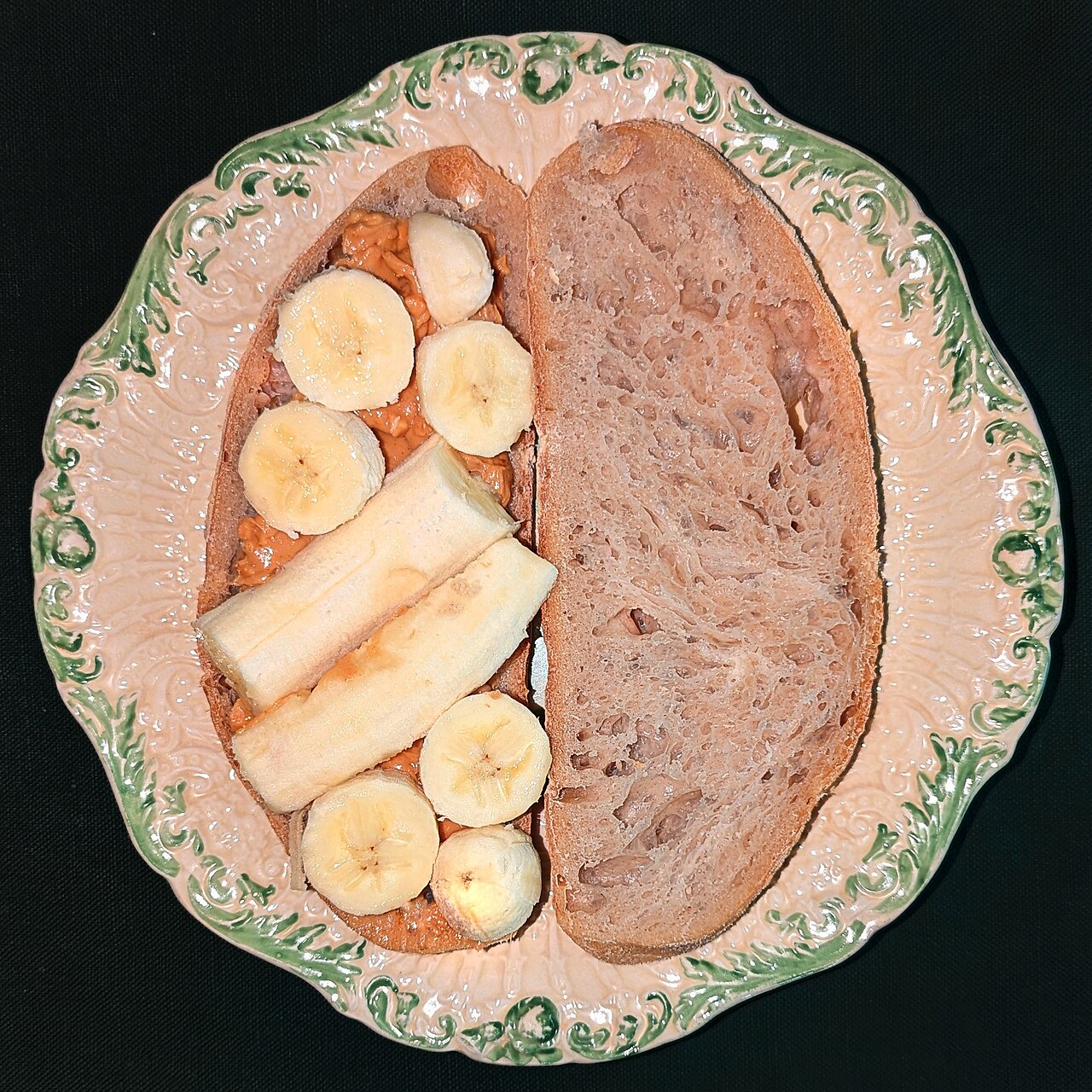
Peanut ButterPeanut is a common allergen. Ask a pediatric clinician first for severe eczema, egg allergy, or prior reactions.
 Dairy
Dairy
Use caution
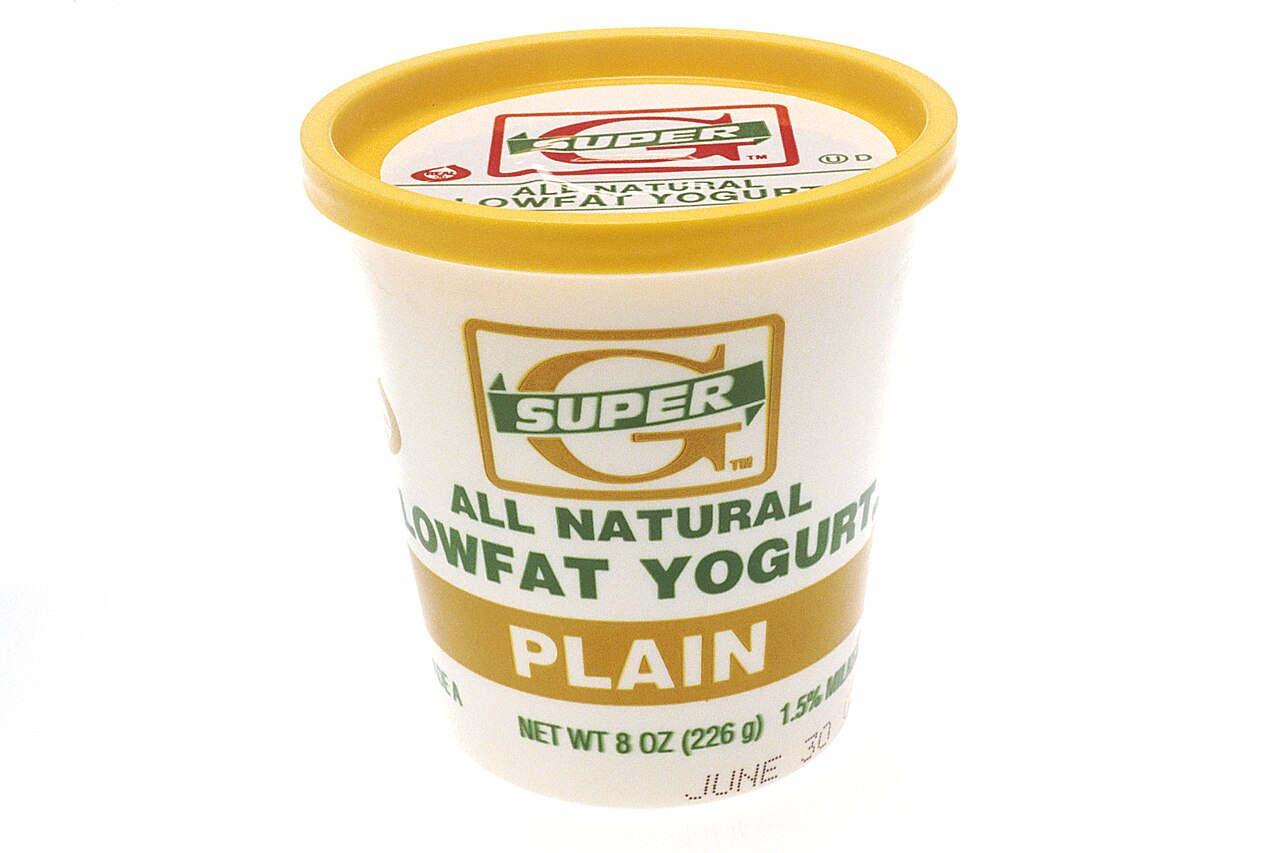
YogurtMilk is a common allergen. Ask a clinician for known dairy allergy or prior reactions.
 Fish
Fish
Use caution
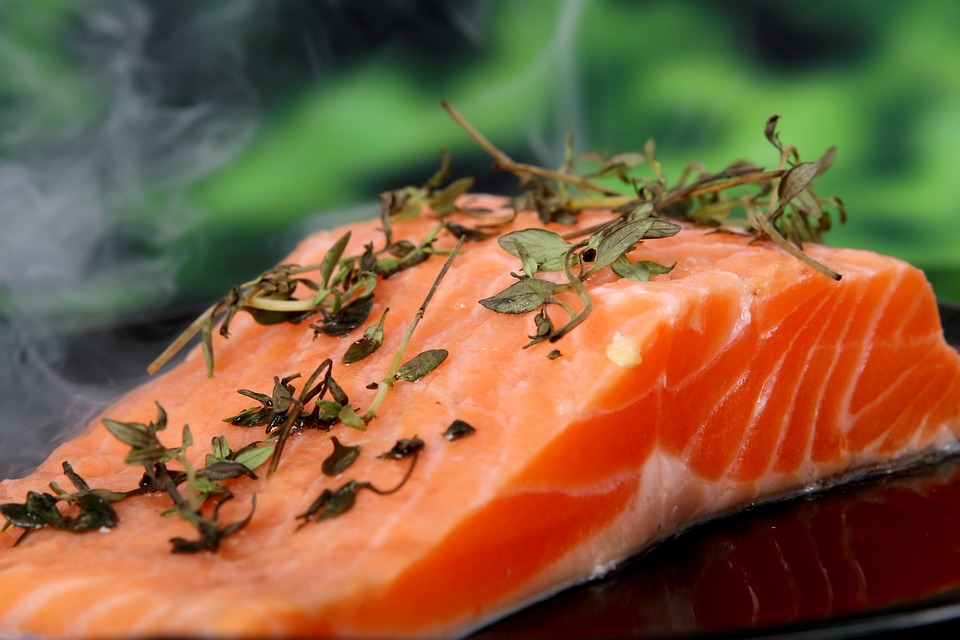
SalmonFish is a common allergen. Introduce thoughtfully and ask a clinician for allergy concerns.
 Allergen
Use caution
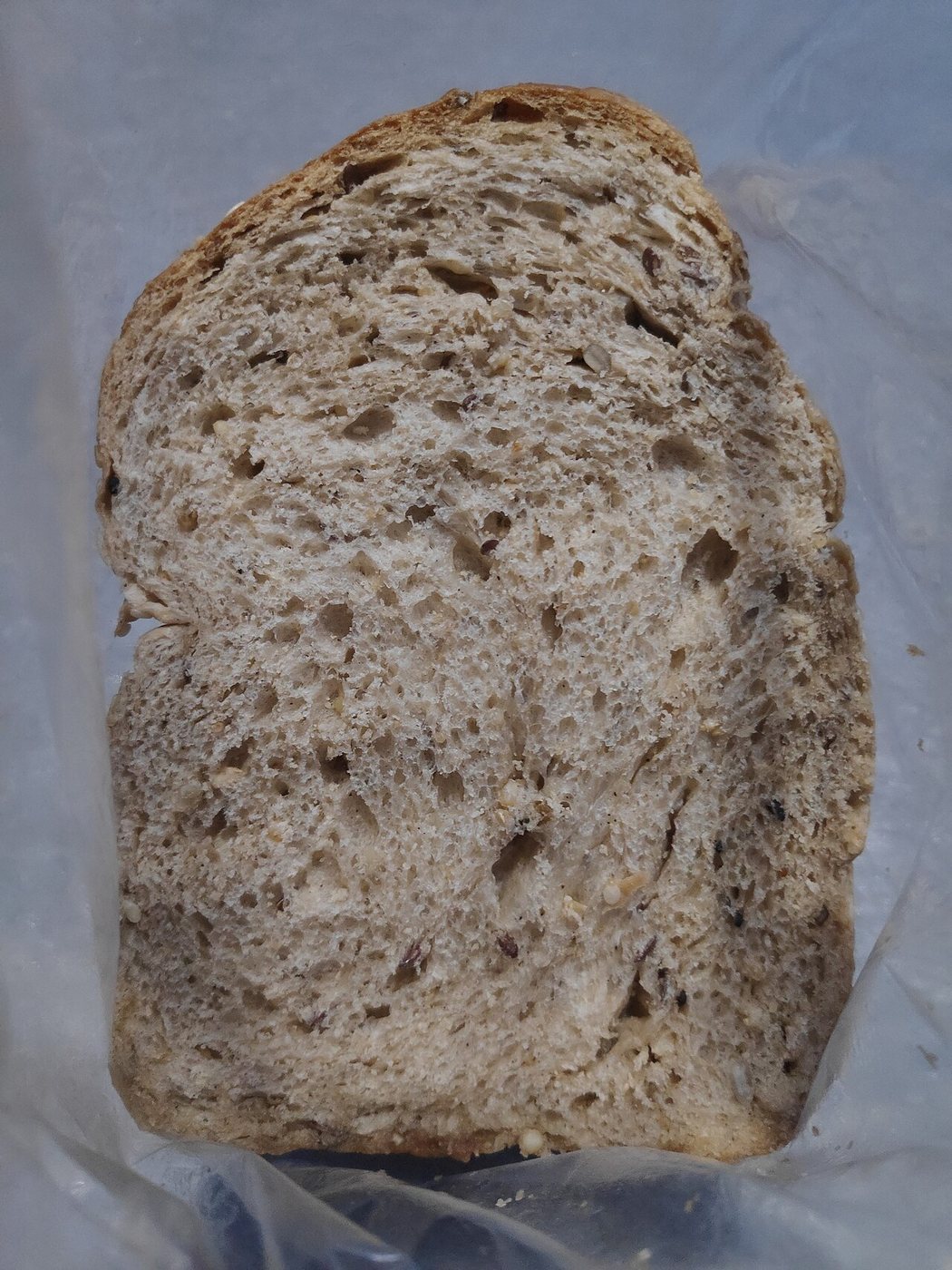
BreadWheat is a common allergen. Check labels for milk, egg, sesame, or other allergens.
Sources reviewed
- CDC: When, What, and How to Introduce Solid Foods Retrieved 2026-06-17
- HealthyChildren.org / AAP: Starting Solid Foods Retrieved 2026-06-17
- CDC: Choking Hazards Retrieved 2026-06-17