Choking hub
Baby food choking hazards
Choking risk often comes from shape and texture, not just the ingredient. Keep these notes above convenience and always supervise.
Each linked guide keeps warnings and source references visible.Change round or slippery shapes first
Whole grapes, cherry tomatoes, berries, peas, and similar shapes often need flattening, mashing, or lengthwise cutting before they fit a baby feeding plan.
See grape choking notesCook, thin, mash, or choose another form
Hard raw foods, sticky globs, chewy chunks, and dry crumbles need texture changes before serving. The shape check still applies to baby-led weaning.
Open serving-shape guideKeep baby upright, awake, and supervised
Serve foods when baby is seated upright and closely watched; avoid feeding while baby is reclining, moving, playing, or riding in a car seat.
Review readiness signs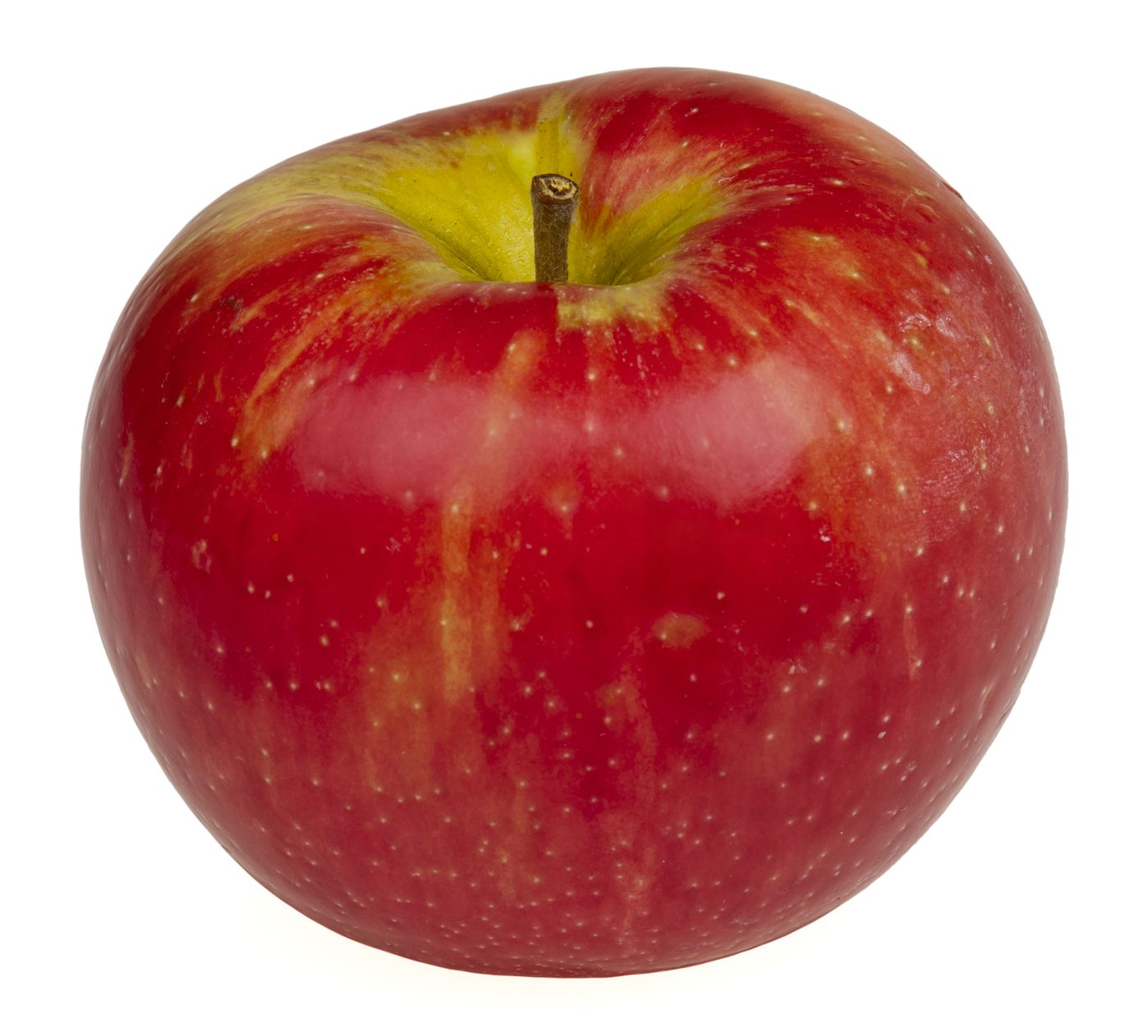 Choking note
Fruit
AppleRaw hard apple is a choking concern because it is firm and breaks into airway-sized pieces.
 Choking note
Choking risk
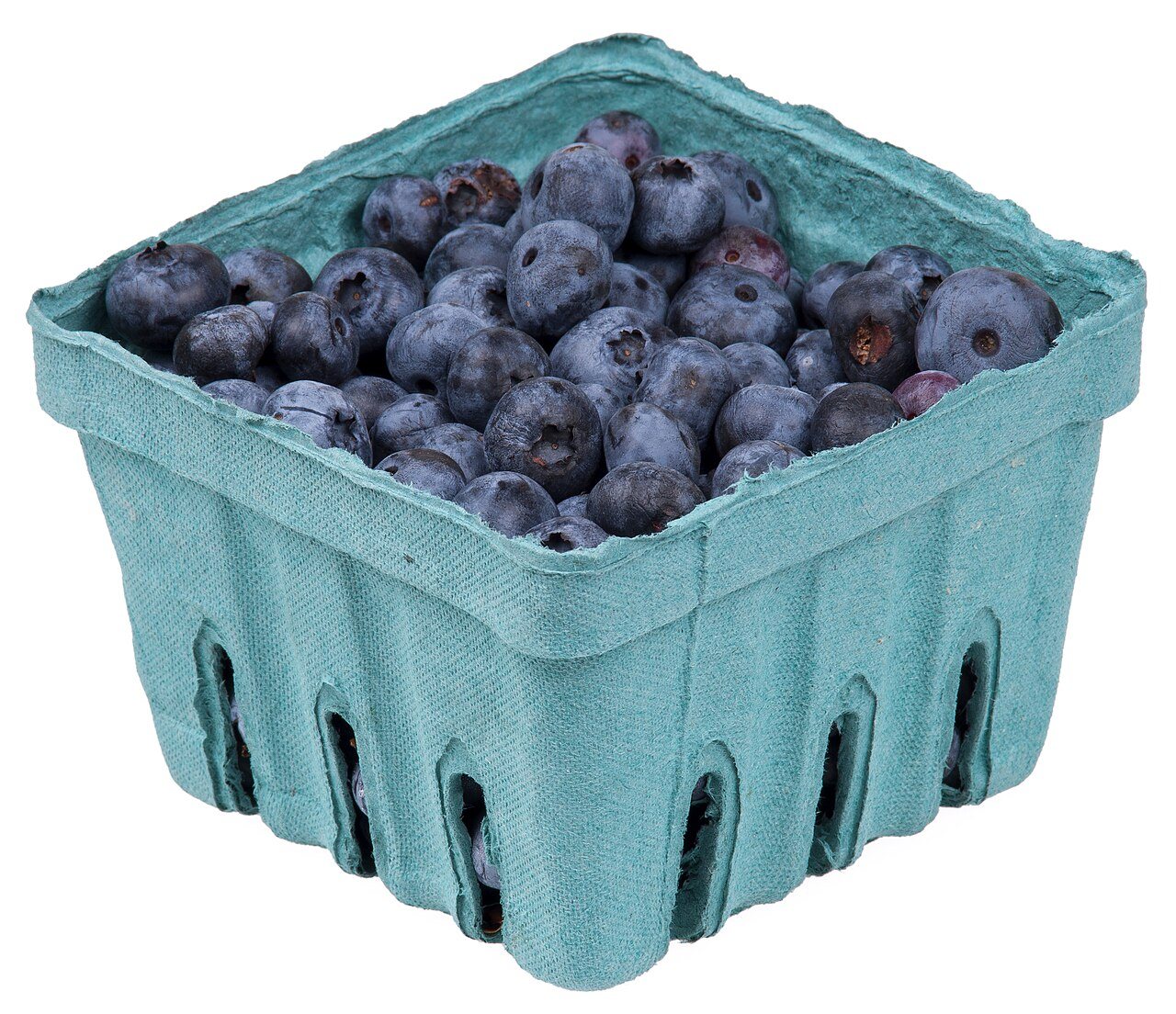
BlueberriesWhole blueberries are small and round, so they can be a choking risk if not flattened or softened.
 Choking note
Choking risk
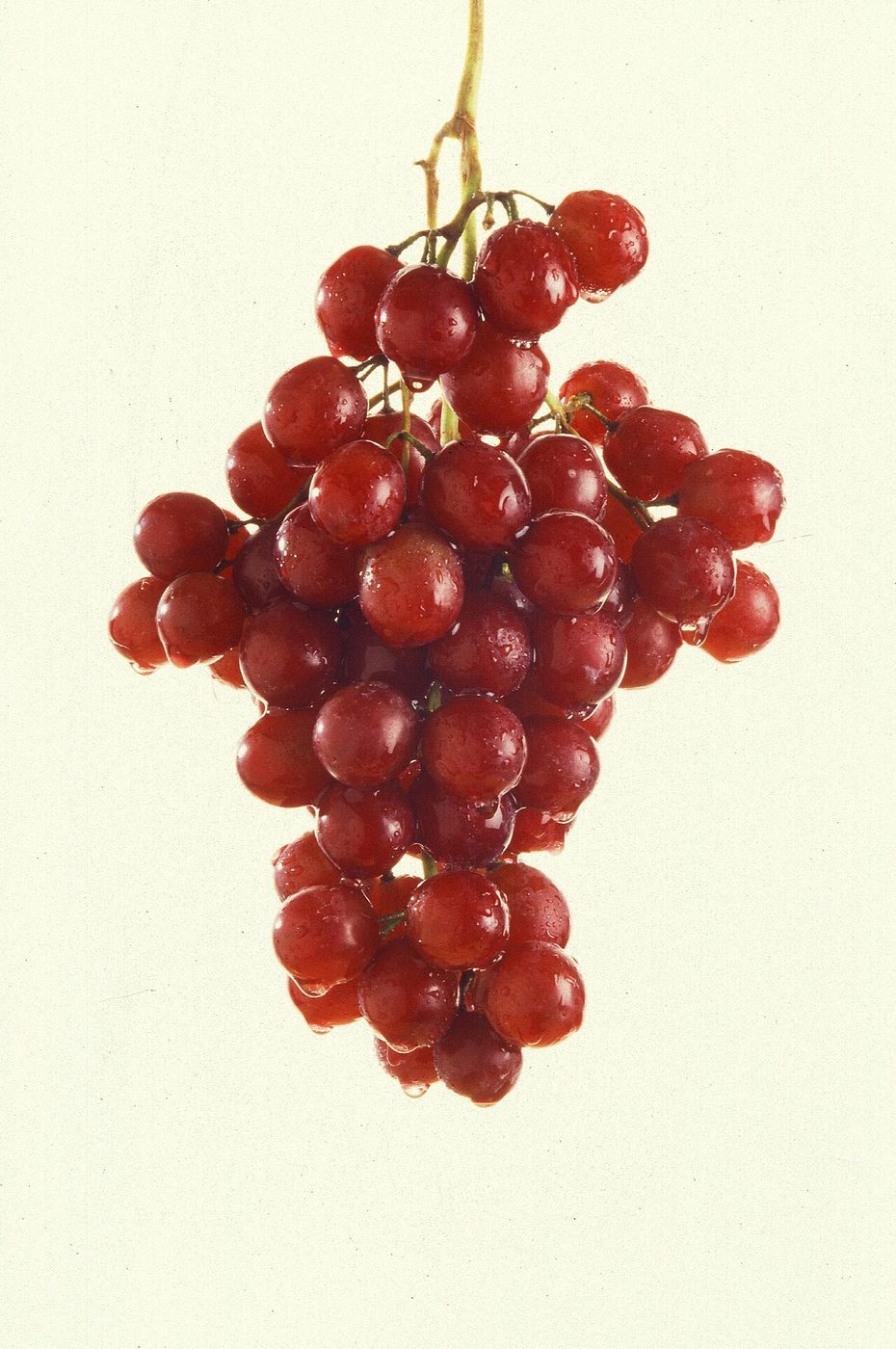
GrapesRound, firm, airway-sized foods are a major choking concern.
 Choking note
Choking risk
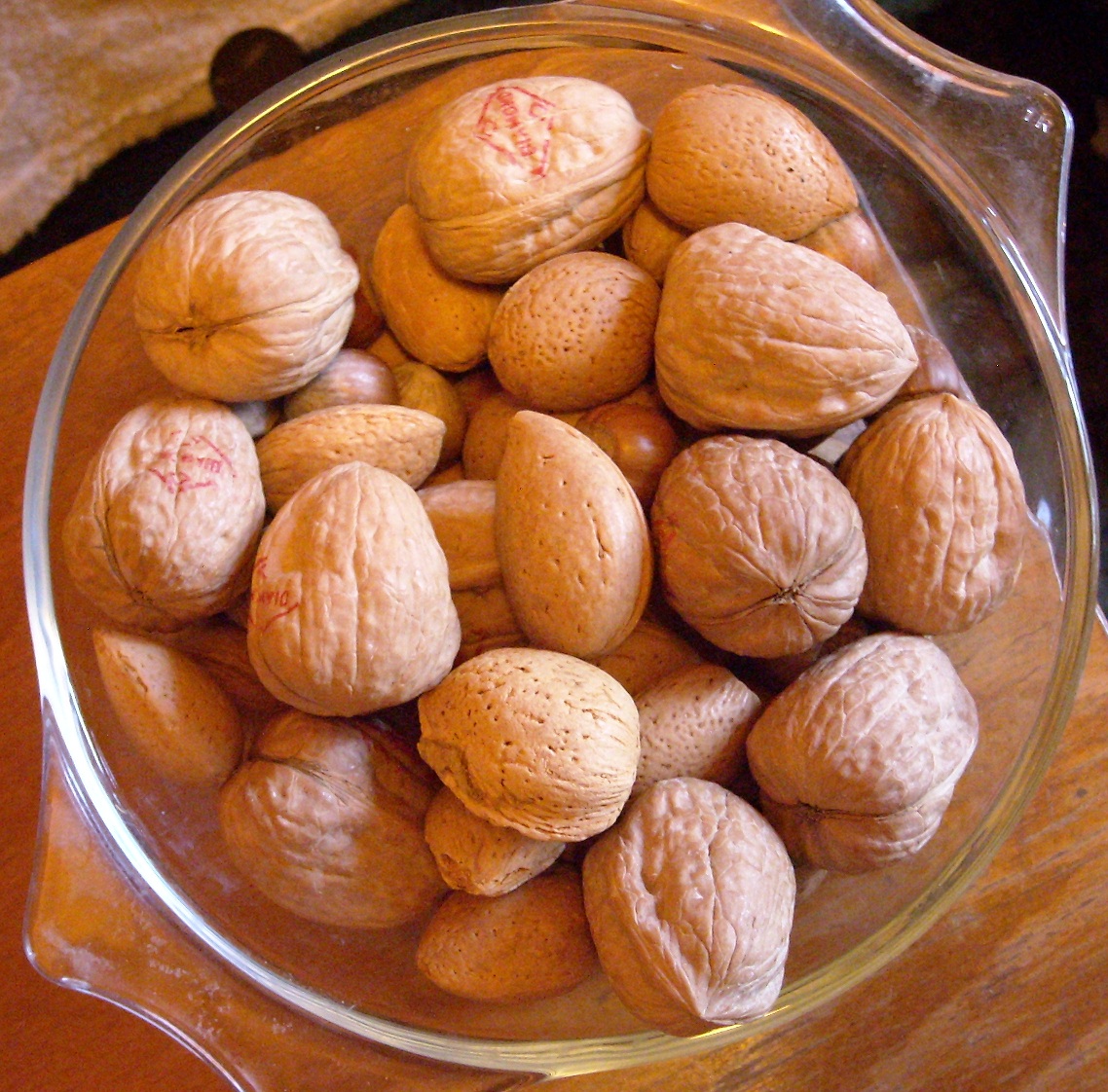
Whole NutsHard, small foods are a choking risk.
 Choking note
Choking risk
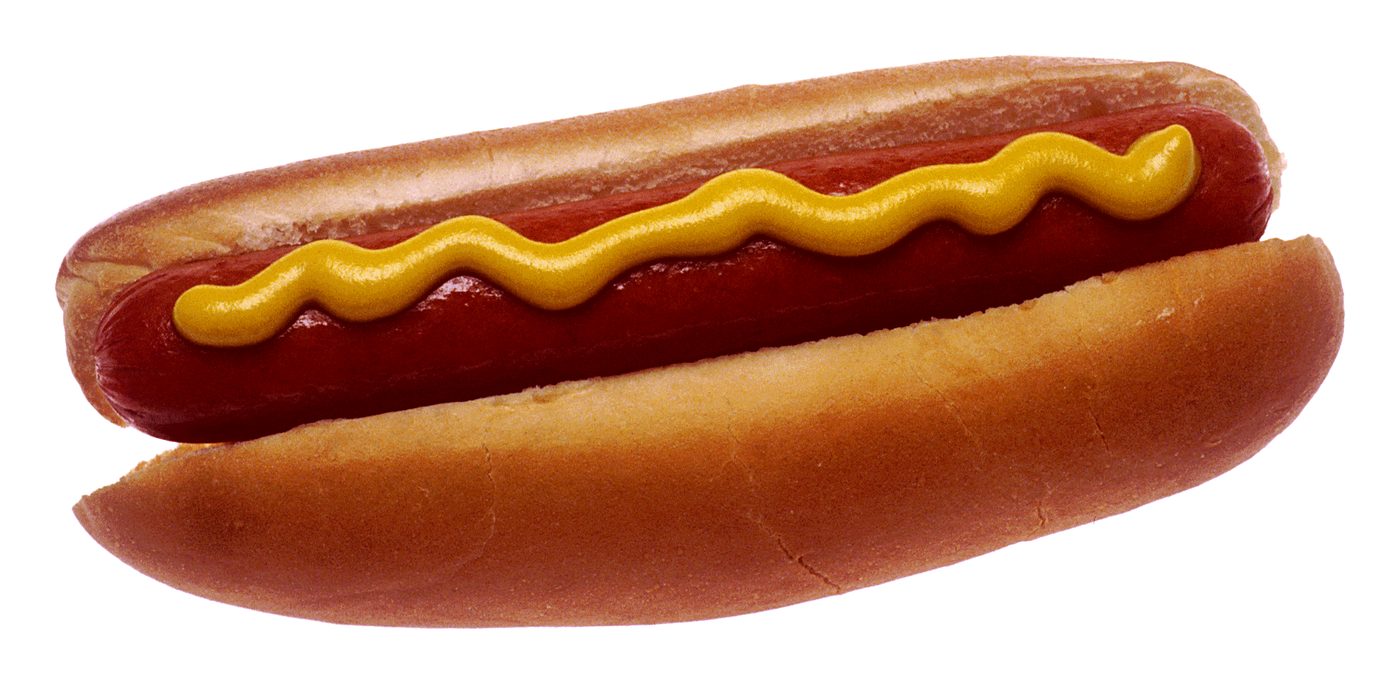
Hot DogsRound, firm, compressible hot dog pieces can block the airway.
 Choking note
Choking risk
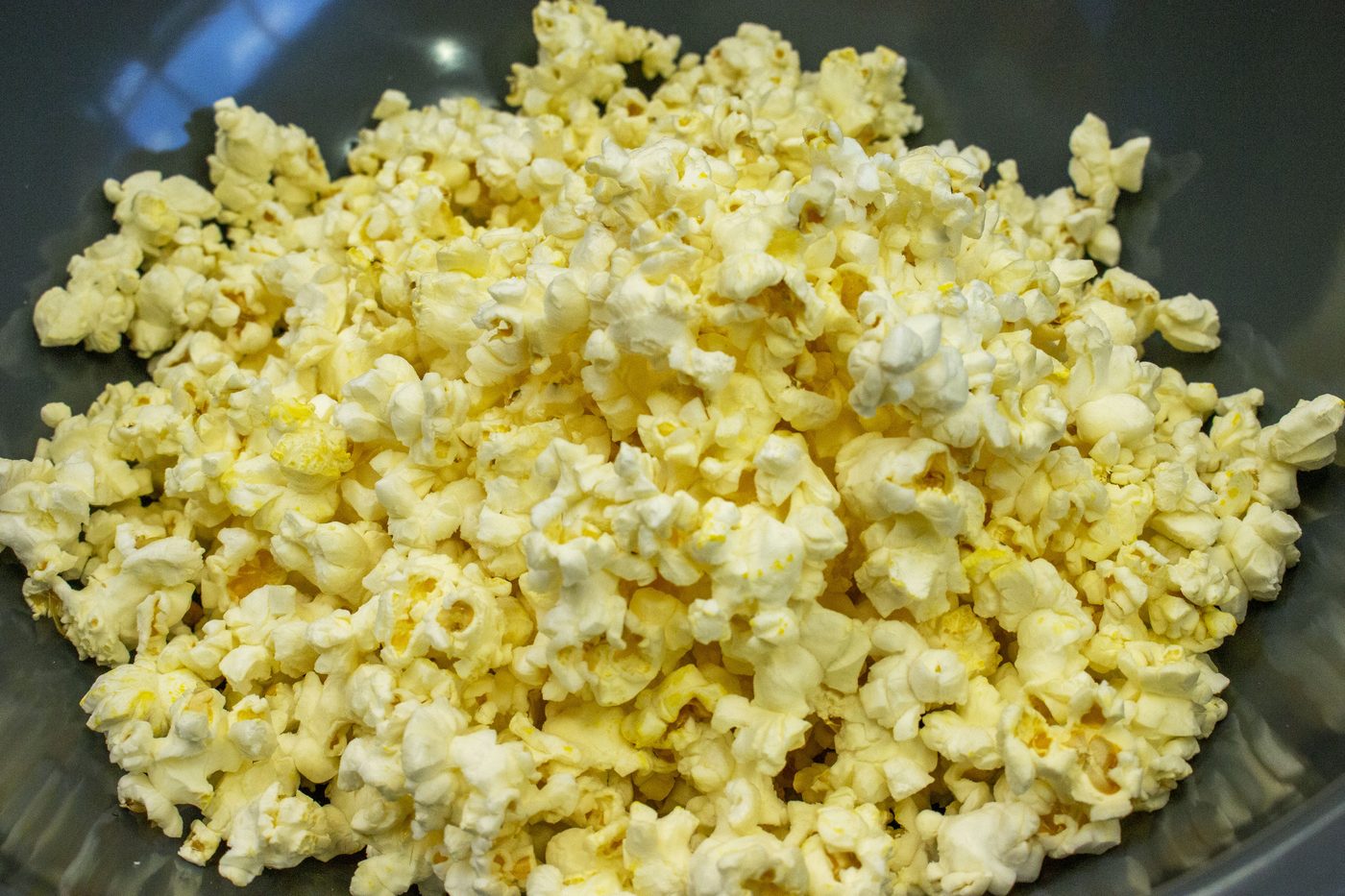
PopcornLight, irregular pieces and hard kernel fragments can be inhaled or lodge in the airway.
Sources reviewed
- CDC: Choking Hazards Retrieved 2026-06-17
- NHS: Foods to avoid giving babies and young children Retrieved 2026-06-17
- CDC: When, What, and How to Introduce Solid Foods Retrieved 2026-06-17